-
Man of the Culture: RIP Iain Banks (1954-2013)
Iain Banks isn’t here anymore, and it doesn’t seem fair.
The death of ‘famous’ people – whether actors, writers, or just people I look up to – doesn’t always hit me that hard. It’s sad, of course, and sometimes it’s so out of nowhere that you barely get a chance to process it, but usually it’s cause for a little sadness and reflection, and also the chance to celebrate and remember what was great about them.
It doesn’t usually land like a punch in the stomach the way it did when Iain Banks announced that he had terminal cancer. I’ve spent most of the last two months hoping that whatever treatment he was receiving would work out, and that maybe he’d get more time than the ‘less than a year’ with which he’d been diagnosed, but instead it’s turned out that he got much less, and fate seems utterly fucking cruel today.
There are other people writing tributes – people like Neil Gaiman and Charles Stross – in a way that’s much better than anything I could express. I didn’t know Iain Banks. I never properly met him – I got a selection of books signed by him (including one that I accidentally got signed by him twice), and I was lucky enough to see him when he was Guest of Honour at a recent Eastercon. He’s a writer who wrote books that expanded my idea of what you can do in a novel, and who really made writing novels seem like something I wanted to do – he showed me that novels could be fiercely intelligent, experimental, wise and humane, but they could also be gigantic fun, full of invention and craziness and ferociously sarcastic spacecraft. It was one of those sad moments when it hit me that I hadn’t truly appreciated what Banks’s books had meant to me until I heard that he was dying – no more Culture novels, no more insane spaceship names, that a man I admired so much could just be brought to a sudden stop. One of the few things in this situation I’m grateful for is that there was a Guestbook set up online, where fans could leave messages, so I could write something to say exactly what his work had meant to me. I’m glad he got the chance to see how much his work had affected people, and I do think he’s an author who’ll last – people are going to be reading his books, both with the M and without, for a long time.
Below is what I wrote on Iain Banks’s online guest book. I don’t know if he got all the way through the many, many pages and read what I wrote, and I don’t care if he didn’t – it was important for me to write it, to put down in words what was churning around in my head at the time. And while I never know at times like this what’s appropriate and what isn’t, I want to just throw this open letter out there, like a message in a bottle, just to voice as clearly as I can how important Iain Banks was to me, and many, many others:
Written on 8th April 2013:
Dear Iain,
The covers. That was what first pulled me in – those black and white covers on the paperbacks of your first few ‘M-less’ books. In the world of mid-Eighties book design, they just leapt out and grabbed my attention. I can’t remember how I got to The Bridge – I think I’d heard that it was strange and interesting. I’d also heard of The Wasp Factory, but that sounded a little ‘extreme’ for me at the time (a gawky teenager growing up in Cornwall), so I went for The Bridge instead, just to see how it went.
I wasn’t quite expecting something quite so experimental and mind-expanding. The Bridge was one of those impossible to classify books that got into my head and wouldn’t go away – I was fascinated by the construction of it, the layers of reality, the way it flipped from fantasy to science fiction to everyday life and back again. I’d never read anything like it, and it made me want to read more.
So I did.
Ironically, despite having started with your most experimental book, it took me a few goes to get into your science fiction. Not the right age, not the right mind-set – I ricocheted off Consider Phlebas a couple of times. Then I tried Use of Weapons, and couldn’t get my head around the structure. But I didn’t give up, and I gave The Player of Games a try… and then suddenly, it all clicked.
I’ve loved and enjoyed all the books by you that I’ve read, but there are two that I simply can’t imagine my world without. Feersum Endjinn and Excession are my lodestones – they’re the standard I aspire to. I’m a fiction writer who’s been trying to get published since 2005, and while I haven’t made it that far yet, the aim to one day manage something that gets close to either of those books is one of the things that keeps me going. The weirdness and inventiveness that goes into those books – the pace and the world, the phonetic chapters and the mad spaceship names, the humour and the sheer humanity that are packed into those pages… that’s what I look for in science fiction. I don’t always find it. But in your books, I do.
Late last year, I was in a bit of a confidence spiral in both work and my writing, I hadn’t read for pleasure for a long time (I read a lot for work, and it’s easy for that kind of thing to invade all your free time), and almost all the books I tried simply didn’t make me want to read any further. And then, a bound proof of The Hydrogen Sonata turned up, and I tried it, and I was hooked, and I haven’t enjoyed a science fiction novel that much in a long time. It really gave me my faith back in the kind of things I look for in a novel, and what reading can give me, and the kind of books I want to be able to write.
I’ve never met you, not properly. I’ve seen you at signings (I’ve got signed copies of Inversions, Excession, Surface Detail, and Matter). I’ve seen you at Eastercon, and at other events (you actually read from my proof copy of Matter at a London University event back in around 2007/2008-ish). I wish I could have met you properly – because I’m grateful for all those times when I did get to hear you speak about writing with intelligence and humour. I wish I could have had the chance to just overcome my nonsensical bloody English neuroses and just shake you by the hand and thank you for writing books that have given me so much, and for giving me something to aspire to as a writer.
But this’ll have to do.
I hope you’re able to make the most of whatever time you have left.
And thank you. Thank you so much.
SAXON
* * *
Rest in Peace, sir. And thanks for making my imagination a crazier, more adventurous place.
-
The Proud Highway II (The University Interview, and After)
So. The University interview happened.
It was intense – 25 minutes that seemed to pass in a shot. And by the time I came out… I genuinely didn’t know if I’d done well or not. I was running through everything in my brain (as is my habit), trying to convince myself that I’d said enough stuff that seemed to have gone down well that I must have gotten something right. But, a combination of the aftermath of a fair amount of stress and the sudden realisation of the fact that I might not get on the course (plus the fact that it was probably going to take two weeks to hear back) left me in a bit of a state. My brain flicked back into low confidence mode, and things seemed rather difficult right then.
I went home. I had lunch. I watched the musical episode of Buffy the Vampire Slayer from S6 of the show. Then I checked my e-mail.
That was the point where I started saying “WHAT?!?” over and over, and I literally had to hand Emma my iPad in order to show what had happened, because I was too shocked to speak right then.
An unconditional offer. It had actually been sitting there for over an hour, and had been sent about half an hour after my interview ended. All that worrying didn’t need to happen. I’m on the course – for the next two years, from September 2013 to Summer 2015.
Of course, I’ve spent the afternoon in a state of shocked amazement, and a whole selection of lovely congratulations have come in from lots of people on Facebook and Twitter. Soon, I’ll have my head in gear and be able to fully appreciate what’s happened (and what I’ve got coming up in the next couple of years). For now, I’m incredibly grateful to my wonderful girlfriend Emma for suggesting this and nudging me in the direction of the course. And I’m exceedingly happy that I’ve got an exciting new direction to explore…
-
The Proud Highway (Jitters before a University Interview…)
Twenty one years ago. That’s the last time I experienced the strangeness that is a University interview. I can’t remember exactly how many I had – it’s either three or four, and all of them were odd in different ways. (My experience of Bradford – a seven-hour drive from Cornwall, only to find that the course I was interviewing for wasn’t exactly as the prospectus had advertised – is burnt into my brain, but for different reasons). For some reason, more out of habit than anything else, I still have the suit jacket I wore to that interview (complete with embarrassing post-Eighties shoulder-pads). One day, I really will give that thing away to charity.
Not today, though. Today I’m going for an interview at Manchester University, for a place on their MA course in Creative Writing. It’s an impressive course – I went to an open day last November, and that pretty much convinced me that this was something I need to do. I’m aiming to do the course part-time, for the next two years, as I’ve been thinking vaguely about the idea of doing some writing-related teaching for a while, and it’s time to actually do something about it.
Am I nervous? Of course I’m nervous. There’s plenty of confidence sloshing around inside my brain as well, but the nerves are jangling away, and they won’t stop until it’s all over and (aside from a bit of paperwork related to my application for funding) it’s out of my hands. I’m sure that once I sit down and start talking, everything’ll be fine – one thing I’ve never had is any problems talking about writing – and as long as I can give a good account of myself in the time that’s available, I’ll be happy.
The odd thing is that making this kind of deliberate choice isn’t something I’m used to. A big proportion of the big stuff that’s happened in my life – becoming a journalist, getting experience as a sub-editor, becoming a freelance manuscript reader, becoming a proofreader – were all down to simply being in the right place at the right time. People don’t always seem to believe me when I say that I stumbled into being a journalist by accident, but it’s true, and so it feels a bit odd to be in this situation and be wanting something as badly as this. Creative Writing teaching feels like something I can do – I just need help to get the occasional chaos in my brain pointing in the right direction. I’m hoping Manchester University is the right place to be doing this. And if it isn’t? Well, one thing I’ve learned over the years – no matter what happens, even if you don’t know it yet, there’s always a plan B…
-
Wars Trek: Eight Thoughts on JJ Abrams directing ‘Star Wars: Episode VII’

1: I’m surprised that it’s actually happening. My first reaction to the rumours that JJ Abrams might be directing Star Wars: Episode VII was “That’s weird.” My second was “Didn’t he say he’d turned it down?” My third, eventually, was “I bet this is one of those rumours that turns out to be false.” Just occasionally, it seems the Internet can prove me wrong.2: It’s a choice that’s simultaneously understandable, a little odd, and almost a little too obvious. Alongside Joss Whedon, Abrams was one of the first directors touted by fans for Star Wars, simply because of his 2009 Trek reboot, which almost immediately seemed to make him unlikely to do it. He’s proved himself able to handle a big, technically complex blockbuster with heavy levels of special effects. He’s also able to handle character well, something not every candidate could manage (Hello, Zack Snyder). The fact that the 2009 Star Trek reboot shared so much storytelling DNA with Star Wars makes this all feel like one of those fandom wish-fulfilment “Oh, wouldn’t it be great if ****** got to direct it?” dreams that’s somehow spilled out into reality. But he’s signed. It’s official.
3: The countdown begins now to the point where Disney announce a release date shift from 2015 to 2016. Abrams is still in post-production on Star Trek: Into Darkness, and then he’ll have major press commitments around the release. If the 2015 release is stuck to, that gives him just over two years for all the pre-production, shooting the film, and the post-production – for a blockbuster, that’s a pretty tight turnaround, and while they can be made to a tight schedule, the end results often aren’t pretty. Many blockbusters have been ruined by sticking to a release date over everything (often meaning that shooting starts without a script in place), but with so much riding on this, I’m pretty sure Disney aren’t going to force Abrams to rush what’s likely to be an epic production schedule (especially in terms of post-production and CGI effects work). I’d also lay bets on that being part of the deal – I doubt Abrams would have signed to do something like this if he didn’t also get the power to do it *right*.
4: He’s a fan. It’s one of the resons he quoted for originally turning it down, but Abrams is a dyed-in-the-wool Star Wars fan, which means anyone worrying about Episode VII being slathered in lens-flare can probably relax. I’m sure it’ll look slick as hell, but I also suspect he’s going to stick a lot closer to the visual style of the original movies. Not being a fan of Trek before he hopped onboard the reboot meant he went about reviving the franchise in a very deliberate way (admittedly, one I didn’t always agree with), giving it a very new and fresh identity, with aspects of the classic version of Trek woven in. I suspect Abrams’s Star Wars will be a lot more faithful to what’s come before.
5: He’s capable of being an amazing director, but Abrams has yet to make a film I’ve wholeheartedly loved. Mission: Impossible III is great fun, but light as a feather and essentially plays as a feature-length episode of Alias (Abrams’s hilariously convoluted female-led TV spy-saga) with Tom Cruise as a lead, a blockbuster budget, and fewer over-the-top costumes and wigs. Star Trek is great fun, but has a plot that shatters into pieces if you so much as breathe on it, and also sacrifices a bit *too* much of Trek’s sense of intellectual SF adventure in favour of wham-bam action and STUFF! BLOWING! UP! Super 8 is frustratingly close to being an outstanding movie – when it’s being a homage to the Amblin movies that Abrams grew up with, it’s heartfelt, beautifully played and genuinely moving. However, when it veers left into Stephen King territory, it ends up drowning out the quieter (and stronger) emotional content in favour of horror-movie shocks, an alien that’s both an evil chomp-monster and a misunderstood tragic figure, and even more STUFF! BLOWING! UP! It’s especially frustrating when Abrams’s television work has almost always been stunning – especially the pilot episode of ‘Lost’, which still stands up as an awesome and adventurous piece of television. I’m hoping that maybe taking on Star Wars will make Abrams push that little bit further, and produce something that really does pay off the talent and storytelling I saw in all those jaw-dropping early episodes of Alias.
6: Screenwriters Alex Kurtzman and Roberto Orci (Transformers, Cowboys and Aliens, Star Trek) are not writing this film, and I can’t begin to describe how happy this makes me – especially as they seemed joined at the hip with Abrams. Other people are worried at the idea that Damon Lindelof may get involved thanks to his Abrams connection, a worry mainly rooted in him getting lots of the blame for people’s disappointment with Prometheus – but (a) most of the blame for Prometheus’s undeniable flaws have to be piled at Ridley Scott’s door, and (b) screenwriter Michael Arndt is already at work, and if whatever he’s done is presumably good enough to play into changing Abrams’s mind, I’m hopeful that we may be in good hands. (And whatever happens, any of the screenwriters will have to work very hard to best some of the insanely creaky writing in the prequels).
7: Thanks to a rumour that directorial contender Matthew Vaughan would have cast Chloe Moretz in a pivotal role, it’s very possible that there’s a significant role for a young female lead. If Abrams isn’t on the phone to his Super 8 star Elle Fanning right now, then the man’s a fool…
8: Ultimately, I can live with JJ Abrams directing Star Wars, but it doesn’t fill me with an immense surge of excitement either. We’ll get a damn efficient crowd-pleasing SF blockbuster, and I can almost guarantee there’ll be a sense of character and life back in the celluloid Star Wars universe that hasn’t been there for a while, but there’s still no guarantees that it’s going to be anything other than a pretty SF blockbuster with kick-ass setpieces. Abrams is unlikely to serve up a turkey, but he isn’t the bold and interesting or left-field choice they could have gone for, and he isn’t a director with an approach I would absolutely love to see tackle a Star Wars movie. (I know it’s a foolish dream and it’s ultra-unlikely to happen, but a Star Wars film directed by David Fincher would send my inner geek into meltdown). But I do think Abrams is a solid choice, and there’s potential for greatness there (as well as the potential for it all to go a bit wrong, as well). Whatever happens, despite previous disappointments, the prospect of new Star Wars movies still has me intrigued. For now, there’s life in the old Saga yet…
-
Life During Wartime: Coping (and Not Coping) with Confidence Issues as a Writer
Five years ago, I got an agent. It was a wonderful thing to happen, and wonderful in the way it almost happened by accident – a process I’d imagined was going to be long and laborious and probably go on for months ended up taking about forty-eight hours. Within about two weeks, my book was going out to publishers, and my life felt like it was accelerating in a wild, unpredictable direction. Maybe it was going to happen. Maybe I was actually going to get a book deal. My imagination rushed through all the possibilities, of finally getting to realise what I’d dreamed of. And, at the back of my head, there was a tiny note of caution, a little voice of insecurity that said: You know what? This is a bit fast. Things don’t normally go this quickly for you. I bet the next bit’s going to take longer than you’d like.
I hate that voice. I wish I could switch it off. Most of the time, despite the amount I listen to it, it’s wrong.
Unfortunately, sometimes it isn’t.
As it turned out, life intervened. The book got turned down by one publisher, and then another, and the cycle pretty much repeated like that. It’s happened to plenty of authors before, and it’ll happen to me plenty of times to come, I’m sure. But on top of that, a few months later, my four-year marriage came to an amicable but pretty damn final end. I went from getting an agent and dreams of publication to having to pack all my belongings into a van, move to a brand new city (Manchester, which I’d only visited twice in my life, twelve years previously) and reboot my entire existence.
A lot’s happened in the last five years. I’ve built myself up a modest freelance income as a proofreader of novels, alongside doing editorial reports and regular reviews for SFX magazine. I met someone new, fell in love, and now we’re living together. There’s a whole number of ways in which my life has immeasurably improved over the last five years. But it’s hard to get to this point in the year, and once again have to think: “Nope. Still not published yet.”
You have to have confidence. You have to believe that you’re going to make it, that no matter how long it takes you’re going to reach your goal. I’ve been working in publishing (in one form or another) for ten years now; I know how difficult it is, and how long it can take. I know all these things, but the fact of the matter is that it’s gotten a lot harder for me. My confidence has suffered a lot over the last couple of years, to the extent that I’m having to look myself in the mirror and say: “Yes. I have a problem.”
Because, I do. I’ve had a problem with my confidence all my life. It’s rather like having a very annoying alter-ego – as if Tyler Durden from Fight Club has turned up, and instead of leading me into a life of anarchic terrorism and bare-knuckle fighting, he’s simply made it his mission to make me feel as crappy about myself as is humanly possible. My confidence problems manifest in a variety of different ways, but they still have the power to cripple me, and lock me into a spiral of self-doubt and anxiety. There’ve been points where I’ve been really good at fighting back against this – but ultimately, a lot of that’s sometimes been dependant on outside sources, on life actually giving me reasons to feel positive about myself or my writing. And of course, life isn’t always in the mood to do that. The trick is not letting that stop you, but it isn’t a trick I’ve completely mastered.
We’re all made of neuroses in different combinations, and the best way of summing up the entertainingly conflicted state of my mind is that on one hand, I desperately want to be accepted and appreciated for who I am – to fit in, and be part of the crowd; to be someone who’s valued and appreciated. On the other hand, I don’t want to have to change myself to fit in. Not in any way whatsoever. I want security, and life to be easy – but I’m immensely bored by routine. I want a sense of creative achievement, but I’m also looking for it by trying one of the hardest creative acts you can possibly do. I want to be a published writer – but I’m also trying to do it by writing big, complex, genre-mashing novels that require a tremendous amount of work. I want things to be easy, and I absolutely hate the idea of making things easy for myself.
As someone with a lack of confidence, some of the feedback I got from my book being sent out did hurt, of course – but a lot of it was positive. I even ended up, for a few months, being seriously considered for publication by one imprint. Just being in a situation where I was able to take feedback I’d been given on a book and turn it into solutions, to figure out ways of streamlining the beast of a novel I’d written and make it work better… it was one of the most thrilling times in my life. I wrote like a maniac, and loved pretty much every minute of it. Problem-solving is one of the aspects of writing I really enjoy – that, and constructing worlds, plots and characters so they all fit together like a finely-tuned swiss clock.
It didn’t work in the end, and the book got rejected, but I kept the enthusiasm going. I told myself that I could get there, and get another book finished, and then another and another. I already had another idea that I wanted to work on, so I got going. A year, I wanted to aim for. Maybe eighteen months, tops. As long as it took less time than my first novel which, on and off, took me two years to properly do. I had my target, and I knew what I wanted to do.
That was November 2009.
Life gets in the way. It’s not supposed to, of course, but it does. Writing is a weird, difficult existance, and keeping my confidence going at the same time as trying to build up a genuine freelance career doing proofreading – something I only started getting experience at in back in 2008 – isn’t the easiest thing. The freelance life is all about momentum, any time spent away from work feels like time you *should* be spending on work, and it’s very hard to say “No” to a job if it’s offered, even if it suddenly means that week I was planning to get loads of writing done is suddenly going to mostly consist of proofreading.
I’m learning as I go. It’s taken me a while to get into the right headspace, to stop trying to be other writers and just try and be myself; to say to myself “It’s okay not to write short stories if you don’t want to write short stories.” For some people, it’s a brilliant way of honing their craft. There’d probably be a lot of good reasons for me to write short stories. But ultimately, I don’t enjoy short stories, I don’t want to write short stories – and at a point when I’m still mainly writing for myself, I want to write the kind of things I’m actually going to enjoy.
That’s an important lesson. I thought I’d learned it, but the last couple of years proved me wrong.
I’m not the fastest, most productive writer in the world. I write in splurges – mad bursts of activity over the course of a few weeks. I managed to get about half of an entire first-draft of a book written in the space of about six weeks last year – and then momentum ran out, work intervened, and my confidence subsided. I’m also trying to get myself into the habit of writing every day, but it doesn’t always happen that way. Especially when I’m busy, it simply isn’t always possible to fit it in – especially when I’m doing something as brain-intensive as proofreading. When you’ve had to spend six hours staring in detail at proofs of a novel, with maximum focus to spot any mistakes, very often the last thing you’ll want to do afterwards is immediately rush to the keyboard and start banging out words.
And of course, that’s one of the many areas where the whispers begin. The nagging doubts. The sense that if I’m not desperate enough to write every single day, if I’m able to let confidence issues get to me, then I’m not like the writers I admire, and from there it’s a hop, skip and a jump to: Maybe I’m not meant to be a writer. Maybe I’m fooling myself. Maybe this has all been a waste of time, and nobody’s ever going to be interested in looking at the weird, sprawling, frothy SF/Fantasy adventures I’m trying to write.
It’s completely ridiculous, of course. Yes, it helps if you write every day. (Plus, I suspect that if/when I finally get a publishing deal, motivation for writing most days ain’t going to be anywhere near as much of a problem…) But, contrary to some writing advice that floats around online occasionally annoying the living crap out of me, you don’t automatically drop out of the ‘being a writer’ club if you’re not able to write every day. It’s okay to take a while to find your voice. Being on Twitter can sometimes give the impression that a thousand tremendously exciting things are happening in publishing every single day, and there’ve been plenty of times in the last five years when it’s been rather demoralising watching other people outpace me – getting an agent, getting a book deal, getting their first book published, and then another, and then another…
It isn’t a race. It can sometimes feel like a race, but it isn’t a race. And I do feel like, slowly but surely, I’m starting to believe it.
2012 was supposed to be ‘the year’. My second book took me just over two years to get into the shape I wanted it, but finally it was ready. It had been a long hard slog – I’d tried something ambitious, something with a lot more depth and emotion than my first book, and it took me a long time to get it right. I wanted to get this book as good as possible, to impress people with it, to make the crazy ideas in my head work for me, to throw them out into the world and make stuff happen. There’s a style of story that’s in my head, and I want to get it out there – whether it succeeds or fails, it’s my voice, the story that I want to tell, and that’s what I’d tried to do with my second novel. I was looking forward to going through the same process as I had back in 2008 (except this time, it’d go out to even more publishers, with even more chances of being accepted). Whether it rose or fell, it was going to give me something to be proud of, a real sense of achievement.
Instead, things went wrong. A selection of events over the summer basically took my confidence out into the street and gave it a damn good kicking. Oddly enough, the least of those events was my book getting turned down by the first publisher it got sent to – for various reasons I wasn’t immensely surprised (and was kind of relieved it had only been sent to one publisher – one important thing about novels being submitted is that you only ever really get one shot per book with a publisher, so you’ve got to make it count). I got some extensive feedback which smarted like hell for the first two hours, and then did bring into focus a lot of nebulous issues with the book I’d been struggling with. There were solutions. There were things I could do. But it was going to take time.
And then, late last year, I also made a major breakthrough. Without spoiling anything, a large chunk of my second novel revolved around infidelity in a relationship, and the ultimate result of this was that the relationship broke up at the end of the story. I’d known my emotional baggage from the end of my marriage had played into this an awful lot, but I’d never really realised exactly how much until I was rewriting the opening half of the book (the section which, at that point, I thought needed the most work), and there were certain sections I just couldn’t get to work – the early scenes involving the relationship, before the infidelity becomes clear. I wanted the relationship to feel real, but also be empathetic, charming and believable, so that the revelation when it came would hit hard, and be truly upsetting. Trouble was, I couldn’t get the early scenes to feel right. I can always tell when a scene is working – there’s a music or a rhythm to the writing that gives it life and momentum. When that music isn’t there, it’s the most frustrating thing on Earth – the scene just sits there like a damp sponge, doing everything it’s supposed to but feeling utterly mechanical, getting the plot from point A to point B and nothing more. I was trying to figure out why this was, talking it through with my girlfriend, wanting to find the solution…
…when it hit me. And for at least a minute or so, I kind of wished it hadn’t.
Solutions sometimes hurt. They’re great, because the problem’s solved, but sometimes they can expose mistakes, and leave you cursing yourself for being so blinkered. Novel-writing is such an intensive job, and it’s easy as hell to get distracted by the micro-detail while not noticing the problems at the macro-level. Story-elements can set like amber, to the extent that aspects of the plot can be there for draft after draft, and yet they don’t necessarily have a reason to be there. They’re just there, part of the architecture of the story, an ingredient that feels integral when actually it can be left out without affecting the recipe in the slightest – and in fact, the ingredient’s absence might be the key to the whole thing.
When this brainwave hit me, I realised that I didn’t want to write a story about infidelity. I didn’t want to write a relationship plotline that had an unhappy ending. I’m still proud of what I wrote – I tried something challenging and difficult, something that was emotionally gruelling and pushed me in different directions as a writer. I tried something that was more of a literary approach, something more intense, something that wasn’t the traditional way of doing things. I’d also worked through a lot of emotional baggage without realising it – sometimes, writing can be tremendous therapy, a cathartic experience. But sometimes, that kind of writing can topple over into self-indulgence. And sometimes, you’re ready to move on, even when the story isn’t.
I didn’t want to go to that place again, in order to do the rewrite. I’d had enough. Yes, the choice was there to just walk away from the book, or to leave it for a few months, but then another solution occurred: take the infidelity out. Make it a happy ending. It meant re-engineering certain chunks of the plot… but then things started clicking together in my head. There were ways of figuring it out. I knew right then that, if I could do it, the resulting book would be much closer to the kind of book that I wanted to write – an emotional but satisfying adventure – something that went to some dark places, a story that was wild and crazy and unpredictable, going from daft and surreal to twisted and scary, but ultimately turning out okay in the end. My mind isn’t always the easiest place to be, and I’m sometimes more cynical and pessimistic than I want to be – but I’m also a sucker for a happy ending.
In many ways, this is a good thing. There was a problem, and now there’s a solution. I’ve got a way forward. But, as I started to sort things out in my head, I got to grips with exactly how much of the book I was going to have to rewrite almost from scratch… and the doubts began. The nagging little fears. And the voice at the back of my head that said: You should have spotted this earlier. You’ve spent two years fumbling around trying to get this to work. Maybe this is another bit of proof that you’re not a writer.
It’s insidious, the way these doubts can eat away at you. My insecurities have gotten so bad, I’ll occasionally find myself getting a little worked up and insecure at seeing someone else’s writing getting praised on Twitter. It isn’t just a childish (but sometimes inescapable) burst of jealousy – my brain somehow manages to interpret that kind of thing as: Nobody will ever say that about your work, and I end up bothered and weird, and once again feeling like instead of being a short distance from finishing my journey, I’ve gotten lost and am now just stumbling around on a featureless moor, hoping that whichever direction I randomly choose will be the right one. It’s frightening, and it’s difficult, and I wish there was an easy solution. But there isn’t.
So. It’s the difficult road for me.
I know I have a problem. My insecurity and confidence has stopped me doing a lot in my life, and it’s frequently prevented me from being able to appreciate what I have acheived, and the genuinely good things that have happened to me. But I’m not letting myself get away with it anymore. At the least, I feel like I’m fully aware of it right now – I’m getting better at recognising the signs when my brain is heading in an unhealth direction, and while I can’t quite stop it, I can ride it out. Of course, there aren’t any quick and easy fixes for this – it’s going to be a gradual process of setting myself acheivable goals, and not beating myself up over any potential missing of those targets. I’m going to have to take it slowly, step by step. I already know what I want to do in 2013 – I’ve got a new novel to finish, and I want to get the rewrite done on my second novel, and I’m aiming to get them done by November, when my girlfriend and I will be heading to the World Fantasy Convention in Brighton. I’m also applying to get onto an MA course in Creative Writing at Manchester University, and if that happens it’ll open up a whole series of interesting directions.
But I’m going to keep going. And no matter what that voice at the back of my head may whisper, I’m not going to let it win. Not anymore.
I’m going to have a good 2013.
And I hope you do too.
-
Super Hexagon (or, Curse You, Kieron Gillen)
Curse you, Kieron Gillen.
It’s not enough for you to be a brilliant comics writer and games journalist. It wasn’t enough for you to pull off one of the most impressive final issues of a mainstream superhero comics run that I’ve ever read – the wonderful, meta-textual Journey Into Mystery, starring a teenage reincarnation of Thor villain and trickster god Loki. It wasn’t enough for you to instill in me an intense desire to play the boardgame Risk Legacy, despite the fact that I’m very good at buying boardgames and then never playing them.
Oh, no. You also had to get me addicted to Super Hexagon.
There I was, casually reading through your excellent review of the gaming year over on Rock Paper Shotgun, and I read about the game Super Hexagon. It was probably the retro-looking graphics that appealed, and I was looking for something new and exciting to play on my iPad (having found that while indulging in my nostalgia for GTA: Vice City on the iPad was kinda fun, the iPad control system turns any car chase into virtual suicide). I looked on the App Store, and lo and behold – it was even on special offer. Only 69p. So I clicked ‘Buy’.
And that was pretty much it.
Super Hexagon is INSANE. It’s an incredibly simple game, and the look of it brings back memories of vector-graphic classic Tempest, except that your task as player is to steer a tiny triangle past the various obstacles that are speeding towards the centre of the screen. Hit one of them, and you’re dead. Simple, eh?
Er, no.
You see, Super Hexagon is fast. Seriously, headspinningly fast, and scored with a pulsing electro-dance beat just so you’re in no doubt exactly how fast it is. And it’s absurdly tricky. I’ve been playing it every day for a week, and I’ve finally got to a point where I can pretty regularly last for over 30 seconds per game – and this is on the easiest possible setting. The game begins with a notice saying ‘Headphones Recommended’, and I’m pretty sure this is so that if you’re playing it within earshot of anyone, they don’t end up driven mad by the cool female American voice intoning “Game Over” every five seconds. Because trust me – when you start playing, that’ll be about as long as you last.
It’s dizzying and thrilling in equal measure, relying on pattern recognition and very fast reflexes – you have to watch the entire screen as you play, and there are certain structures which still send me into a fatal tailspin the moment they appear. It’s the kind of game where even the slightest error will instantly kill you, but the sheer challenge of weaving through this adrenalised, perspective-shifting hailstorm of geometric shapes will keep you going. I’ve managed to last up to 45 seconds (on the very easiest setting), and I’m counting that as a major acheivement. There are other, harder levels – ‘Hexagoner’ and ‘Hexagonest’ – as well ones that you have to unlock which, frankly, I don’t even want to *think* about right now.
I’m sure I’ll recover from my addiction from this supercharged sugar rush at some point. I may even get to conquer one (or more) of the jaw-droppingly tricky levels of the game. But for now, the Super Hexagon icon sitting there on my iPad, daring me to ignore it, knowing that I’m going to fail.
Curse you, Kieron Gillen!
(I’m still gettting Young Avengers, though…)
-
Of Dungeons and Dragons

The Dungeons and Dragons team, in Lego form, triumphant! From L to R: Sunder (Rachel), Challa O’Fee (Saxon), animal familiar Harry Otter, skullhead Brook, Bluebell Sparklefluff (Emma) bearing the severed head of chief bad guy Logarr, pet horse Big Mac (wearing a fake unicorn horn provided by Bluebell Sparklefluff), Metalfist (Jehan), Kleeve (Jay), pet crab Citizen Snips, and Gayfist Fagballs (Tom)
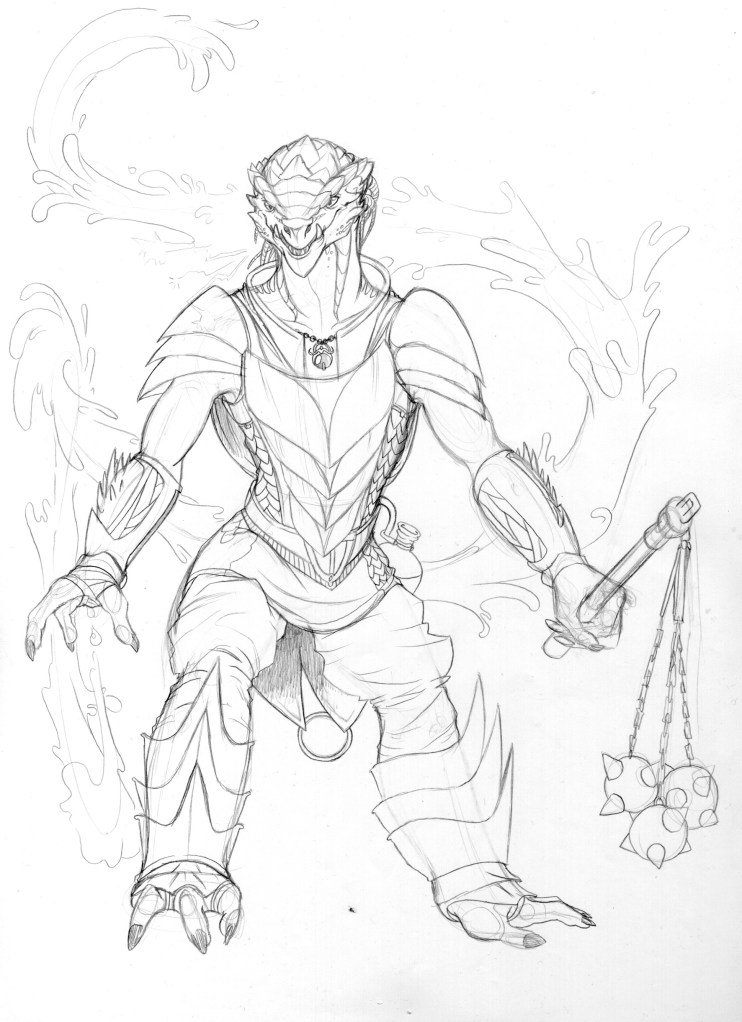
(UPDATE: 1/1/13 – I’ve now been able to include a whole selection of sketches done by my friend Jay (known as @uglynoodles on Twitter), all during the D+D games we played in 2012. Described as ‘doodles’, they’ve never failed to amaze me, and they’ll also give a better insight into the craziness that has been our D+D campaign…)
It’s the end of 2012. Like everyone else, I could do a round-up of the year at this stage (The short version? A few more downs than up, and many lessons to take through into 2013). But frankly, there are enough ‘here’s my take on the year’ posts out at the moment to last a lifetime. Instead, I’m going to talk about one of the highlights of my year, something which rarely fails to raise a smile – my 2012 experiences with the roleplay game Dungeons and Dragons.
* * *
I’m not a roleplaying newbie, by any stretch of the imagination. I’d done a fair amount in my teens (although I had been put off D+D by one group of about ten people, where I’d essentially ended up spending most sessions waiting for the chance to do anything), and while some of it was fairly shambolic (especially a short Call of Cthulhu campaign which I ran and, for reasons I fail to remember, essentially played as a comedy), some of the games I did were exceptionally well planned – especially a DC Heroes campaign at University, where I ended up as a sunglasses-wearing amnesiac superhero in a version of Superman’s home city Metropolis that had been infested with vampires.
Once I left University, roleplaying was off the menu for a long time, and didn’t really return to my life until I moved to Manchester and fell in with the bunch of wonderful nutcases I met via my local independent comic store, Travelling Man. It had been ages, but I found myself tempted back into a little roleplaying – there were some Warhammer 40,000-related games, and a very brief bit of a fun post-apocalyptic game called Atomic Highway (where I played a truck-driving Gorilla who was also an ex-circus ringmaster). Then, when my girlfriend Emma moved to Manchester, we ended up experiencing a Warhammer 40,000 campaign involving plenty of mayhem, and more Al Jolson songs than you would have thought possible.
At the beginning of this year, Ollie – a wonderful shouty bear of a man, like Brian Blessed’s punkier, more aggressive little brother, and the Gamesmaster of our little group – was hankering to get a proper Dungeons and Dragons campaign going with our gang of players, but the venue was a problem – until Emma and I realised that as we’d recently sorted out our flat enough to make guests a possibility, there was no reason we couldn’t have a go at hosting it at our place. It’d make getting to games a hell of a lot easier. We figured we’d give it a go, and if it didn’t work out, we’d come up with something else. The longest of our previous games had lasted a couple of months, so it was probably going to be about that – especially as I’d found my previous experiences with D+D a bit finickity (especially when it came to combat).
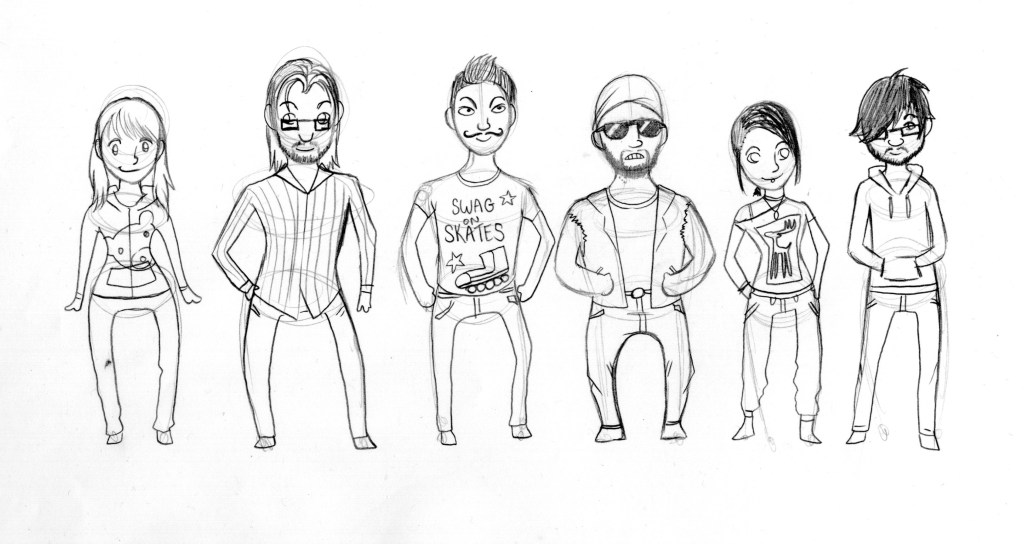
The D+D gang (aside from Rachel, who hadn’t joined at this point) – Emma, Me, Tom, Ollie, Jay and Jehan.
So, we had our team: Ollie (aka @Hanbidge) as Dungeonmaster, ruling the game with an iron fist, always ready with an evil cackle when making dice-rolls that might do hideous damage to our characters. Tom (aka @ThermobaricTom), playing a fight-happy pixie with a love of yelling “ADVENTURE!” who started out called Tingle Treblebutt, but whose name eventually evolved into the slightly more worrying monicker of Gayfist Fagballs. Jay (aka @uglynoodles), who went through two separate characters before settling in as a seven-foot wolf-like Gnoll called Kleeve, with a chainsword and some truly terrifying personal habits. My girlfriend Emma (aka @emmajanedavies), playing a pixie named Bluebell Sparklefluff, who ended up developing Delusional Unicornosis (a mental disorder where she was convinced she was turning into a Unicorn) and varied between camp cries of “Darling!” and suggesting some of the most fantastically unspeakable things I’ve ever heard. Myself (aka @saxonb), playing a Dragonborn named Challa O’Fee whose usual response to anything going wrong was “Oh, COME ON!!” and who indulged in over-the-top acts of vengeance while still being convinced that worshipping a soul-stealing cult didn’t actually make him evil. There was Rachel (aka @Rachamuffin), who joined the game later on as a Revenant Palladin Dark Elf named Sunder, and who wasn’t having anything to do with any goddamn skeletons. And then there was Jehan (aka @Maustallica) – one of the most genuinely, wonderfully demented roleplayers I’ve ever encountered – who started out as a dwarf druid named Beardface Goldberg with a habit of nibbling on corpses, until he did something so jaw-droppingly horrifying that our party simply *had* to kill him – at which point his new character entered the scene, Metalfist the communist robot (actually a Warforged), who then spent the entire game failing to get any peasant masses to rise up against their oppressors (while regularly setting castles on fire).
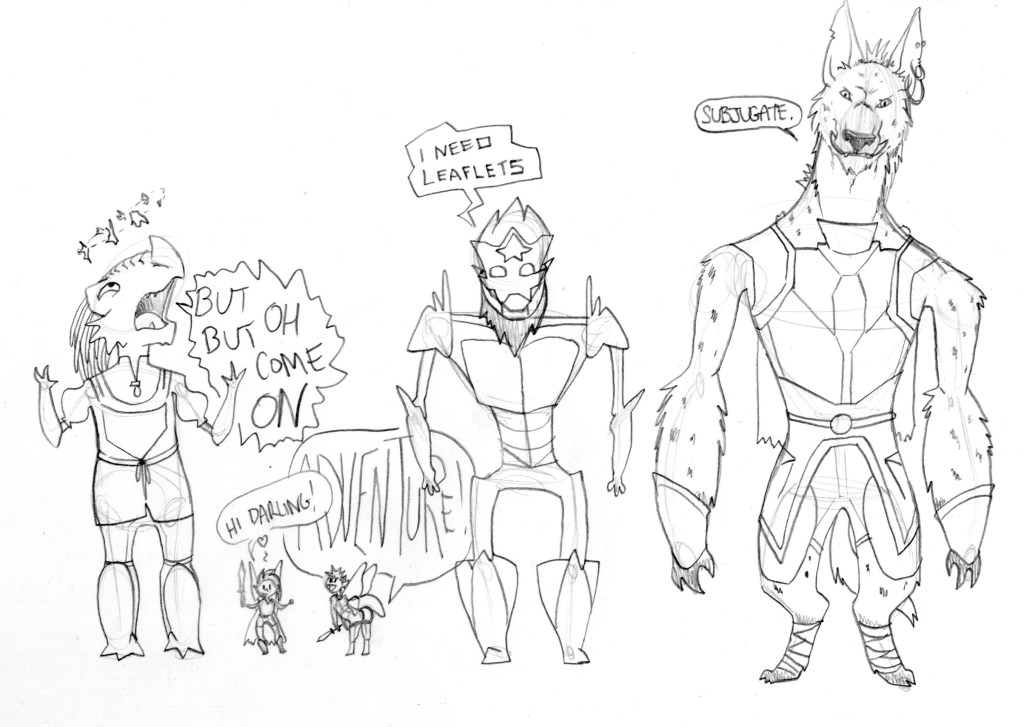
Our gang of unhealthy reprobates: Challa O’Fee, Bluebell Sparklefluff, Gayfist Fagballs, Metalfist, and Kleeve!
Now, the plan was to play short-ish campaigns, because there was a selection of games people wanted to try (and some were possibly going to be GM’d by other people as well). It’d be a revolving cycle, and we’d start off with D+D, but the game probably wouldn’t take too long. Maybe 8-10 sessions, tops.
Initially, things went fairly smoothly. We were hired by a magistrate to take out a skeletal sorcerer. We fought swamp-dwelling frog-men called Bullywugs (whose menacing cries sounded worryingly similar to ‘The Frog Chorus’ by Paul McCartney). We even sorted out a whole issue with the weather in the region, thanks to a totem that had been hi-jacked by some fellow adventurers. Unfortunately, our method of sorting this out – ambushing the adventurers in a bar and killing them – resulted in us also getting banished from the city by the local magistrate, and even our newly liberated castle was taken away from us. Our response – and I have to admit, this was largely my idea – was to say “Bollocks to that!” and try and get revenge on the magistrate by killing him and taking over the country ourselves.
Now, this seemed to be where Ollie was aiming the end of the game – that we’d defeat the magistrate and then we’d shift on to play something else. But then, in a session that started off feeling like it’d probably be either the last or the next-to-last, everything exploded in a rather surprising way. Having been ‘escorted’ from the city by the magistrate, we had escaped and were heading back to the metropolis – and we were also extremely mad at Jehan’s character, Beardface Goldberg, whose decision to nibble on a decaying skull had ended up with us having to spend ridiculous amounts of money saving his life. So, we took the completely moderate strategy of sending him into prostitution (complete with a costume featuring assless chaps). It was the kind of decision that comes up a lot in our demented, anarchic gameplay, and we weren’t expecting anything to come of it.
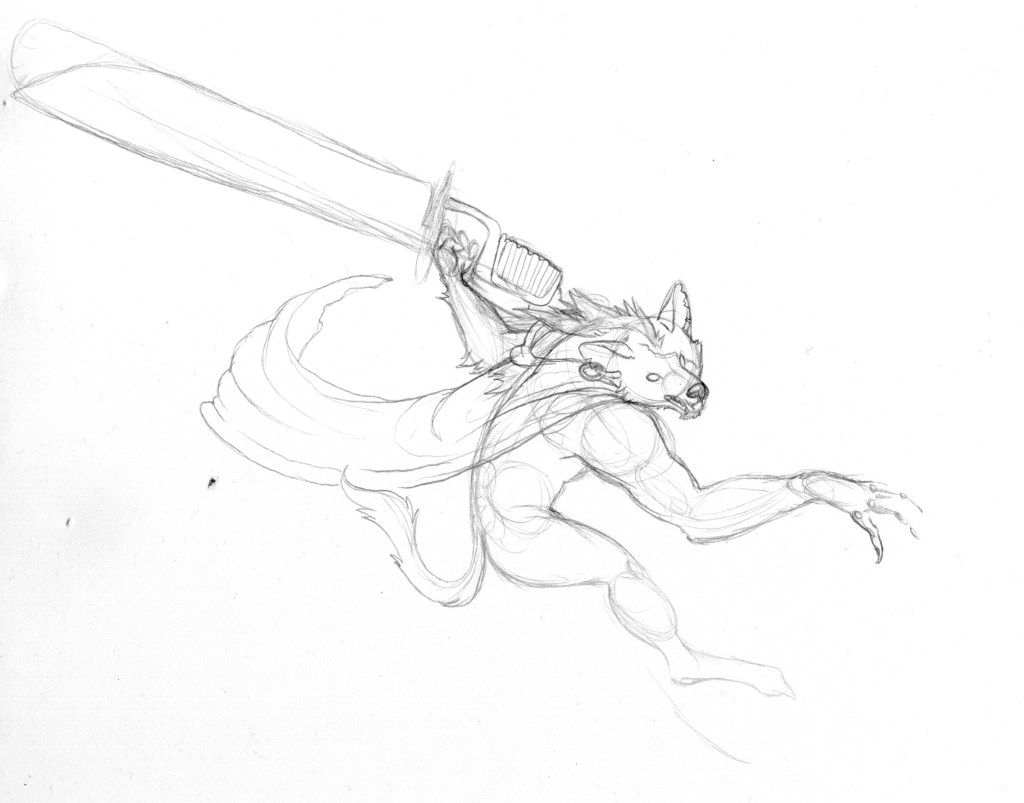
Jay’s character Kleeve, in full action mode.
What *actually* happened was that within half an hour, we’d ended up running the city’s main brothel, and alongside our new duties as adventurer-pimps, we were also planning an assasination attempt that involved us being smuggled into the magistrate’s castle hidden inside giant dragon-sized books. I think everyone around the table knew that something kind of wonderful had happened – it’s unique to roleplay, a kind of fabulous synthesis where the game acquires its own energy and starts heading in its own direction.
Pretty soon, we weren’t just adventurer-pimps – we were running the country as puppet-dictators, although rather annoyed at the religious atrocities that had been pulled off by our ‘backers’, the Church of Tiamat, courtesy of their leader Logarr (who soon turned out to be a deeply frustrating thorn in our side). Pretty soon we were engaged in diplomatic tangles, trying to prevent a war with nearby country Shorwyn, and also attempting to figure out how to correct all the mildly horrible things that had happened courtesy of the Church of Tiamat. Ollie was now talking about taking our characters all the way to level 30 (and because of our gameplay style, that’s going to take a loooong time), and the end result was that a game we’d thought was going to end within a couple of weeks simply kept going. And going.
And going.

Challa O’Fee and Kleeve (along with Bluebell and Gayfist)
It hasn’t stopped yet. We’re taking a brief break for a couple of months in order to play a different game, but we’ll soon be back to D+D, and up until now we’ve played for virtually the whole of 2012. While there have been plenty of points where I’ve gotten a little frustrated (either with the story – especially on the very lengthy journey we ended up stuck on at one point – or with the epic combat sessions which, with D+D’s complex rules, could go on for a long time), and Monday nights haven’t always been the ideal time for me (thanks to regular deadlines that usually fall on a Monday morning), any downsides have been more than outweighed by the sheer amount of fun I’ve had. Roleplaying is an art that does sometimes get a bad reputation, but there’s nothing quite like embarking on a freeform adventure with nothing more than your imagination, and a gang of friends who are determined to have fun. It’s also helped that Ollie’s sense of humour has resulted in the year-long saga of our attempts to defeat Logarr being crammed full of unexpected homages to things like My Little Pony: Friendship is Magic and the Dolph Lundgren 1994 action movie ‘Men of War’. Combining this with Jehan’s lunatic gameplay has resulted in plenty of sessions where I’ve spent most of the time laughing my head off.
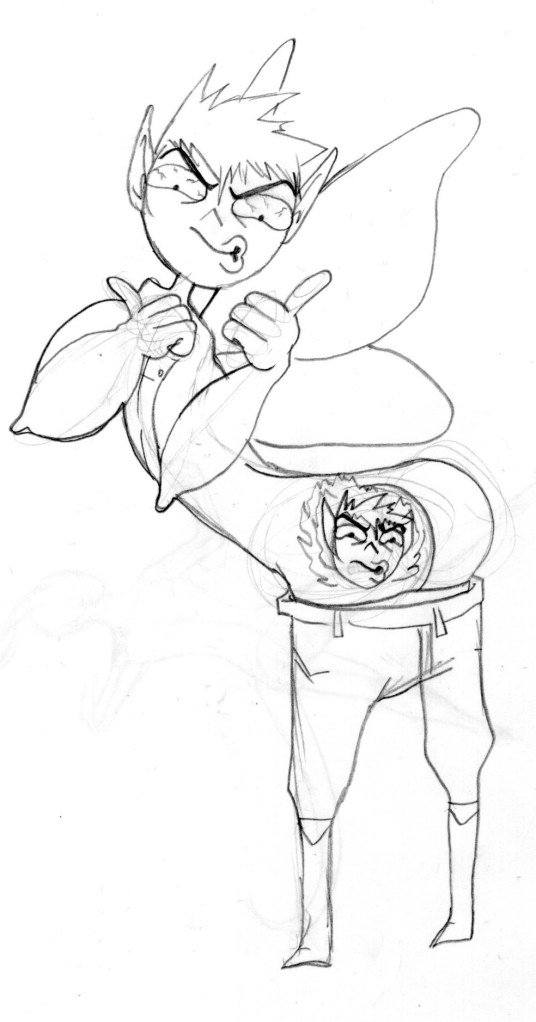
Tingle Treblebutt, aka Gayfist Fagballs – complete with his legendary tattoo of his own face on his arse. Because of ADVENTURE!
Highlights? Almost too many of them to count, and some of them involving humour so deeply wrong that it’s probably not the best idea to recount them… but there was our extended sea-voyage in the company of Captain Bulge-Eyes, a grizzled sea-dog with a crew of children and a romantic attachment to a flock of scat-hurling Harpies. There was the ‘rescue mission’ we were hired to perform, only to find out halfway through that instead of rescuing people we were actually kidnapping them (an act which then went on to cause a gigantic calamity in the war against Logar). There was the unexpected bout of turnip sculpture, as Metalfist tried to win over villagers with his artistic side (during which Kleeve also tried to sculpt a nearby tree with her chainsword, but ended up flattened beneath it). There were Shorwyn’s batallion of amphibious dwarf soldiers, known as the Iron Snorkels. There was the extended period during which we had to prevent Bluebell Sparklefluff from being forced into an arranged marriage, which was only solved (in an accidental way) by Metalfist deciding to burn down the castle we were staying in. There was Metalfist’s trip to a wizardly gay bar (and Bluebell’s unexpected debut as a drag artist). We also had the trip to the Island of the Sadness Monkeys, where I managed to nearly get killed by being pelted with coconuts (following a brief bout of illness thanks to being pelted with dung from the Harpies), and our epic journey to the Kord-Mania festival, a wrestling competition where we finally had to face off against the Muscle Pope himself, Randall Sauvage (who of course, bore no resemblance at all to WWE wrestler ‘Macho Man’ Randy Savage…). There was even the spirited argument I tried to put up in insisting that despite the whole vengeance-seeking and soul-stealing, my character wasn’t really evil, resulting in someone else saying the line: “Of course he’s evil, IT SAYS SO ON THE CHARACTER SHEET!”
My ultimate highlight, and the proudest moment of my gaming ‘career’, came late in the game – we’d defeated several major villains (including Keefer – taken from the aforementioned ‘Men of War’, an insanely macho bare-chested mockney with an overstyled goatee), and having snuck back into Logarr’s capital city, we were trying to figure out a way of disrupting Keefer’s state funeral (Keefer having been turned into the most improbable ‘hero of the people’ ever) which would stand any chance of messing up Logarr’s plans. Having gone through one of my brief bouts of feeling a bit frustrated with things in the game, I didn’t have any clue as to what we could do to make a real difference – until I came up with the idea of trying to fake Keefer’s ghost so that he could pull a Banquo, accuse Logarr of having killed him, and incite the people into a full uprising. Amazingly – everyone in the group went for it, we gave it a try – and it actually worked. We ended up with a ghostly version of Keefer stirring up rebellion and almost emptying the city before the final confrontation, and I couldn’t help feeling oddly proud of having pulled off such a wonderfully ridiculous result.
It’s had its ups and downs, but our D+D games have also pulled me through some difficult times this year, giving both me and Emma a bit of socialisation and fun at times when we’ve needed it. All of our friends have had difficult or trying years in one way or another, but D+D has given us a way of getting together, forgetting our cares, and revelling in the art of pure silliness (as well as a selection of completely unprintable jokes that had us howling at their sheer wrongness). And, at the end of the year, if I’m thankful for anything, it’s for a brilliant group of friends, and for Ollie, who’s done a wonderful job of marshalling the game for the whole year and steering us the right way. It’s been a riot in the best sense, and I hope we’ve got many, many more games ahead of us…
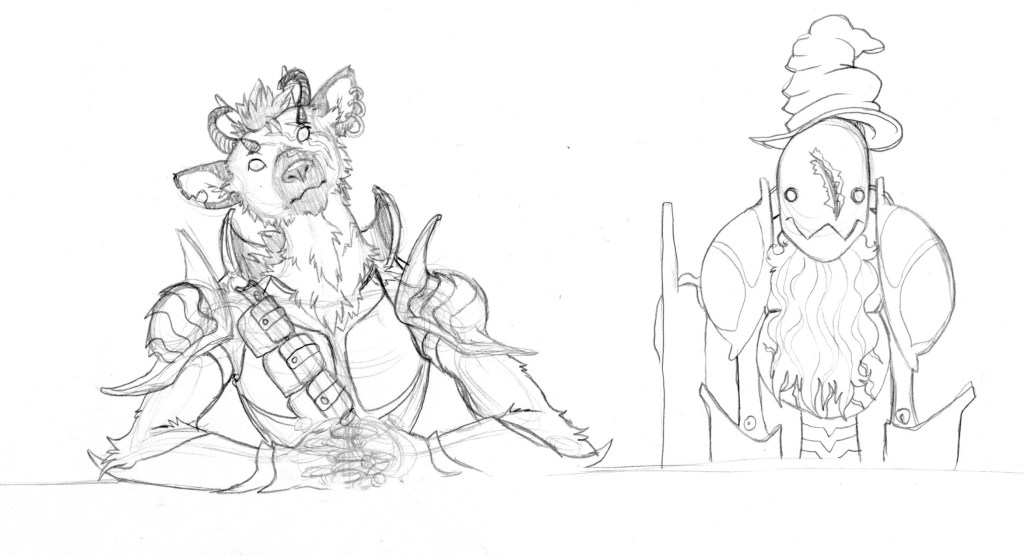
Kleeve, and Metalfist (sporting his specially made false beard of Unicorn Hair).
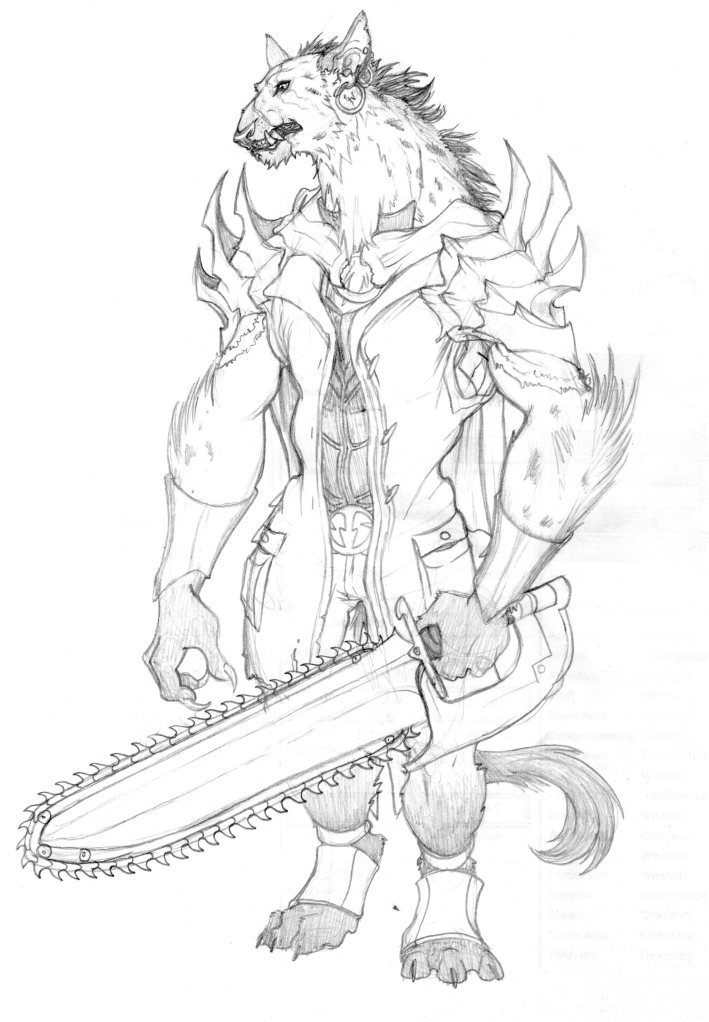
Jay’s character Kleeve – hairy, fanged and not-to-be-messed-with.
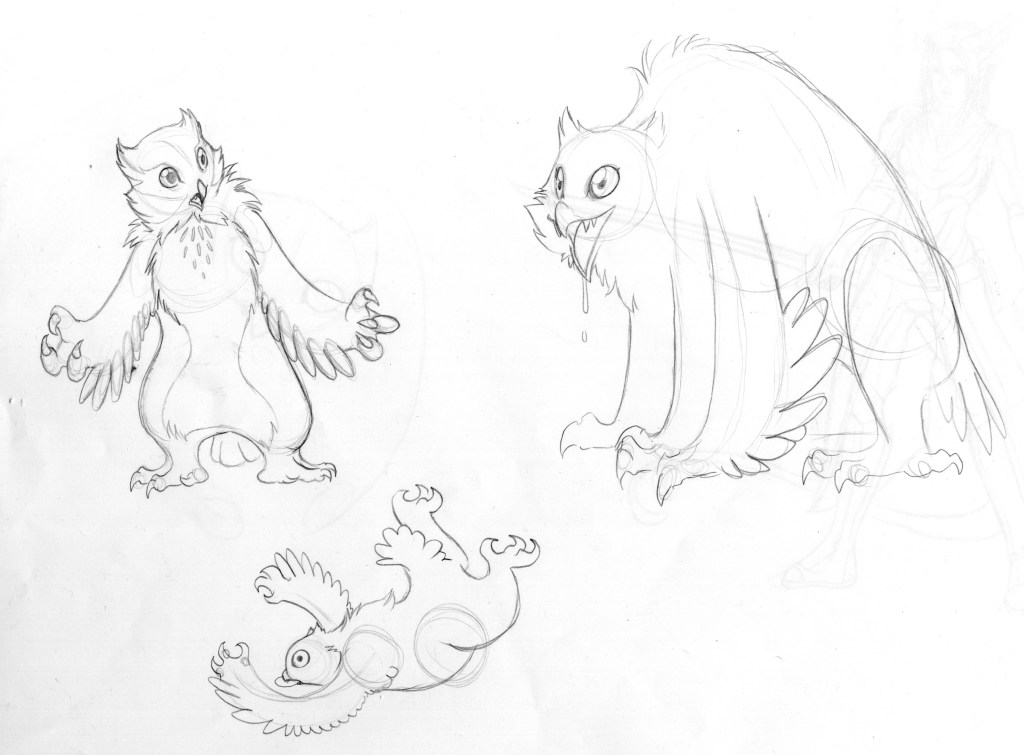
Beardface Goldberg’s animal familiar – the late, lamented Owlbear known as ‘Party Bear’…
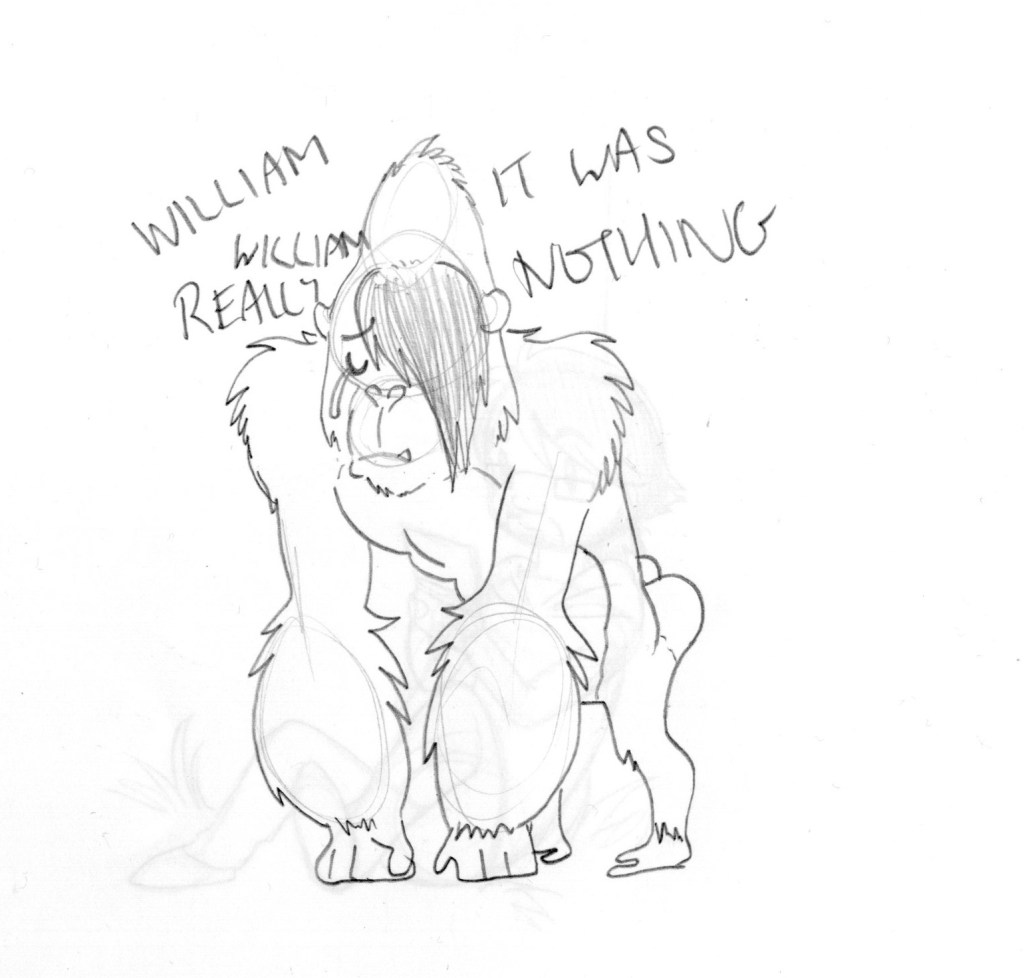
One of the extremely mournful Sadness Monkeys…
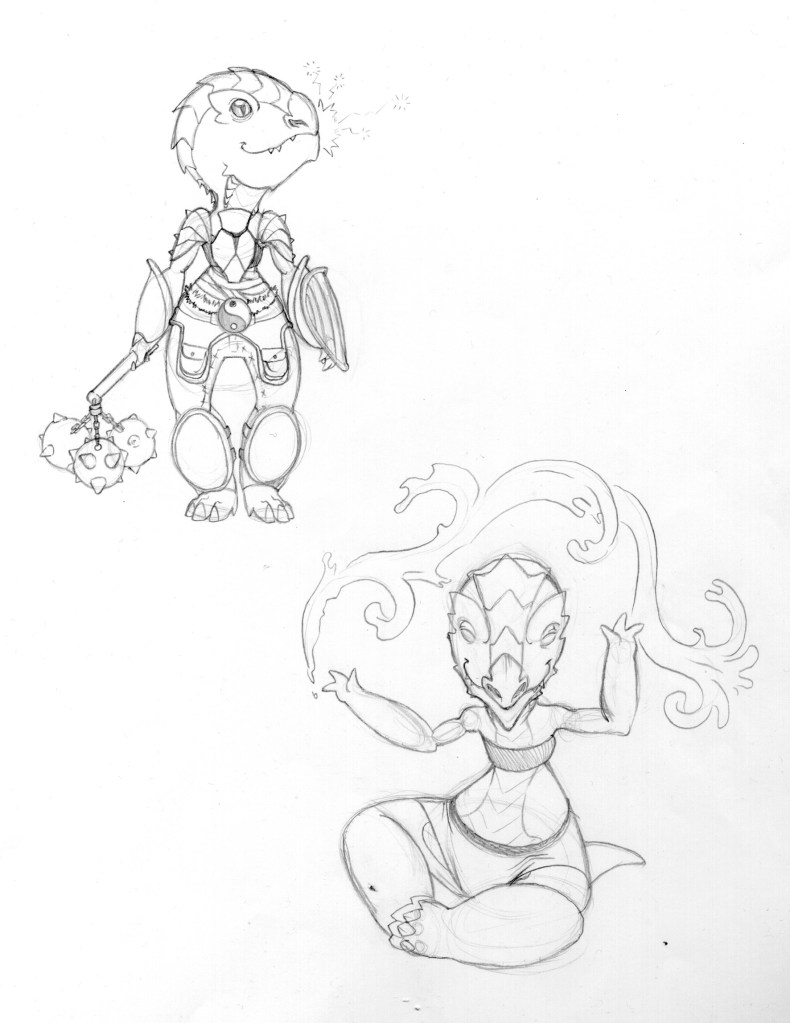
Some exceedingly cute Manga-style Dragonborn.
Tayzah – the second character to be played by Jay (and who ended up leaving the party in a bit of a bind…)
-
Return of the Living Blog
This should feel significant. There should be a wind whipping across a darkened plain, a crack of thunder in the cloudy skies above, a dark and battered figure striding dramatically across the landscape, and a narrator (preferably James Earl Jones, if we can afford him) intoning something dramatic and portentous.
But instead, it’s just me with an iPad and a bluetooth keyboard on my lap, attempting to put into words why, after a gap of nearly three years, I’m resurrecting my blog. The simple answer is that as I’m currently redesigning and sprucing up my site (with lots of help from my girlfriend), it seems sensible to also give blogging another go – I notched up nearly five years of regular output over at my blog’s previous home of Livejournal, and the full history of that blog has been imported here. It’s all available, even the stuff that charts some of the more difficult times in my life circa 2008-2009, and I’ll be blogging here on a semi-regular basis.
I haven’t been completely silent on the blogging front. In 2011, I had a go at doing a full-on review blog called Schizopolitan, and I’m still proud of my output there, but I never quite got the balance right, and the kind of site I wanted to do would have taken *way* too much work. It’s hard to do a sharp, professional, regular website when you’re having to do 95% of the work yourself. I burned myself out on Schizopolitan, and while I am going to be posting occasional pieces and thoughts up there, my life as a full-on comics blogger is kind of over.
It isn’t the case here, though. I’ve had some ups and downs over the last three years, and one of the reasons I wanted to start blogging again is so I can talk more about the process. The mechanics of writing are something that interest the hell out of me, and I want to try and get my thoughts on it down in a way that’ll hopefully make sense.
There’ll be advice, but it’ll be broad, helpful advice – the kind that someone with some serious confidence problems has found useful and/or informative. Writing’s a weird life, and I feel like I want to record some of what I’ve been going through. For posterity. For analysis. For the hell of it.
So, welcome to my blog. The full site is still being constructed at the moment – you’re welcome to have a poke around, but there are things that don’t quite work yet (and the look of the site will soon be having a complete overhaul – the current look is an off-the-shelf WordPress theme which will very soon be changing). If you’re one of the handful of people who used to follow Crawling from the Wreckage on Livejournal, then welcome back to my blog. If you’re new, it’s nice to meet you – please feel free to say hello. Make yourself comfortable. Help yourself to the Twiglets. And I hope you enjoy the ride.
-
Transmission, Interrupted: The 2007 Review (2008)
TRANSMISSION, INTERRUPTED
1: Fall Out (The 2007 Year in Review)
Your eyes are not deceiving you – Vector has acquired its own TV column. In an era where some of the best onscreen Science Fiction and Fantasy is regularly to be found on television channels rather than the cinema screen, Transmission, Interrupted is aiming to be entertaining trawl through these sometimes bewildering waters, and one that’ll hopefully throw light in some unexpected directions. I’ll be your guide on these trips – Saxon Bullock, curiously monickered freelance writer, regular contributor to SFX, and irregular blogger with a habit of kicking the hell out of Torchwood at the drop of a hat. The world of cult genre TV is one that I’ll be exploring for as long as Vector is foolish enough to allow me, and I’ll be looking at material from both sides of the Atlantic while – most important of all – I’ll also be dealing heavily in spoilers, so anyone not wanting to have any major surprises blown should probably look away right now…
But, before we advance forward into the future, it’s time to look back at the twelve months of 2007, a time during which the Science Fiction and Fantasy genres proved to once again be in robust health. They may go in peaks and troughs, but all throughout 2007, both genres have had their claws firmly into the TV zeitgeist, and show no signs of letting go. In a year of Weeping Angels, dinosaurs, unexpected flash-forwards, ageing pulp heroes getting seriously embarrassing makeovers and old-school Cylons, there was a ridiculous variety of highlights and lowlights to choose from, but if there’s one thing 2007 will be remembered for, it’ll be for the spectacular rise (and abrupt fall) of Heroes.
Over the last twelve months, Tim Kring’s comic-book inspired ensemble drama has gone from being the most promising newcomer of the US 2006-2007 TV season, to the kind of global smash that it’s alright for mainstream audiences to like. Of course, it’s also managed to screw everything up in record time with an underperforming and frankly dull second season, but even if you look at the 2007 run of Heroes’ first season (from episode 12 on), it’s a blend of storytelling that’s always had its problems. The show’s biggest advantages are its well-thought out and practical approach to X-Men style super powers, along with its fast, intertwined ensemble plot, and some of the most joyfully insane, ‘what-the-hell-just-happened’ cliffhangers under the sun. Unfortunately, this isn’t always enough to disguise the major weaknesses, from the wheel-spinning plots (with the scene-stealing character Hiro spending massive sections of Season 1 running in circles), to the less impressive members of the cast, especially Ali Larter as angsty multiple-personality case Nikki, and the permanently gormless Milo Ventigmilia as power-sponge uber-hero Peter Petrelli.
When playing to its strengths, it was amazing how gripping the show could be, and even the creakier patches of episodes 12-16 could be forgiven when we were presented with crackerjack instalments like Episode 18: ‘Company Man’, where the ambiguous Horned-Rimmed Glasses-wearing Mr Bennet’s past history was finally exposed, or the shameless pastiche of the X-Men storyline “Days of Future Past” in ‘Five Years Gone’, which also delivered one of the most pointed twists on the legacy of 9-11 that’s yet been seen in a US mainstream show.
Unfortunately, it couldn’t last – like Babylon 5 before it, Heroes is marvelous at the build up but rarely good at the pay-off. It might reward its audience with frequent revelations rather than Lost‘s ever-expanding enigmas, but more often than not, the end result is an empty sugar rush, and a show that isn’t anywhere near as deep or well-written as it thinks it is. The rambling last three episodes of Season 1 dropped the ball, leading to a finale that was both badly staged (one thing Heroes is in desperate need of is a decent action director) and massively disappointing – and yet, hard as it was to believe, things actually got worse in Season 2. Despite the engaging nature of Season 1’s origin stories, Heroes only ever functioned once its plot arc built up momentum and things actually started happening – so why the production team though that slowing Season 2’s story to a crawl was a good idea frankly beggars the mind. Added to this, the show started hitting the reset button like it was going out of style, recycling massive swathes of plot that we’d already seen (Claire clashing with her father, a mysterious killer offing the Heroes), and plunging into new realms of absurdity.
At the least, it seems like US audiences haven’t swallowed it – the show plummeted to its lowest recorded ratings, reviews were bad, and even series creator Tim Kring came out and admitted that they’d messed up. However much we’re promised a ‘reboot’ for “Volume Three”, however, (a reboot now delayed by the Writer’s Strike), it’s hard not to think that Heroes is going to need serious help if it’s not going to end up simply treading water and running in circles to try and recapture the fresh, comic-strip entertainment of its first eleven episodes.
One of the biggest symptoms of Heroes’ success has, naturally, been the traditional “Imitation is the sincerest form of flattery” method by which a large proportion of the Autumn 2007 US Network pilots managed (by pure coincidence, of course) to revolve around the idea of ordinary people suddenly having extraordinary powers thrust upon them. The highest-profile of these was the heavily hyped update of Bionic Woman, but giving this particular Seventies cheese-fest a coating of New Galactica-style grit didn’t go as planned.
It didn’t help that while Michelle Ryan did a commendable job in the lead role, she was blown off the screen every time Galactica star Katee Sackhoff turned up as psycho bionic woman Sarah Corvus. However, what really sunk the series and resulted in a massive ratings dip was its incredibly muddled approach. The dark and serious outlook which worked so well for Galactica doesn’t play on what’s essentially a goofy feminist fairy tale, and in the absence of any self-deprecating humour, we got an ungainly amalgam of other, far superior shows (most notably Alias), and a production team that seemed to change their mind every week as to what the show’s tone should be. As with Heroes, a major reboot is rumoured once the Writers Strike is resolved – but with only eight below-par episodes under its belt, Bionic Woman’s future is looking distinctly shaky.
More conventional in execution was Journeyman, with Rome’s Kevin McKidd as a San Francisco journalist who suddenly finds himself bouncing across time to help people, a problem that plays merry havoc with his work and family life. Not quite the shameless Quantum Leap rip-off it appeared, Journeyman owed a far greater debt to Life on Mars and The Time Traveller’s Wife, with the deeply routine ‘missions’ McKidd carried out never carrying as much weight as the soapier yet weirdly engaging melodrama surrounding them. At times horribly sentimental and never escaping the feeling of nostalgia-laced televisual comfort food, the series did at least pull off some interesting and imaginative twists on the time travel theme (such as McKidd having to reverse-engineer the moment when he fell in love with his wife) but the lack of real inspiration meant the plug being pulled at episode 13 didn’t surprise anyone.
Fluffier series like spy romp Chuck and the near-identical (but fantasy-based) Reaper did better at carving out an audience, although while Chuck’s mix of silly espionage and heartfelt melodrama coasted entertainingly along thanks to a fine cast, Reaper’s Buffy-meets-Kevin-Smith vibe (a feeling increased by Smith directing the pilot) soon led to repetitive gags and diminished returns. For nostalgic Angel fans with an astoundingly low quality threshold, there was the hilariously creaky vampire detective saga Moonlight (a show that’s somehow escaped cancellation and built up an audience), but the finest drama of the new season came from Wonderfalls and Dead Like Me writer Bryan Fuller, who created a world so off-kilter and stylized it was like nothing else on television.
Mixing the Coen Brothers, Amelie, Terry Gilliam and Tim Burton, Pushing Daisies is a wonderfully bizarre blend, a forensic fairy tale about a piemaker (Lee Pace) with the ability to bring the dead back to life, and his subsequent team-up with a private detective to quiz murder victims about how they were killed. It’s even built in a well-constructed example of the traditional ‘love story that can never be consummated’ between Pace and Anna Friel, the childhood sweetheart he resurrected but now can’t touch without killing her again, and for good. What’s most remarkable about the show, however, is the way in which its fast-paced, hyper-stylised and fluffy exterior acts as a cunning disguise for a tremendously dark and tragic story all about death, unrequited love, loneliness and abandonment. Without the fast-paced humour and the atmosphere of cute playfulness, it’d be almost too painful to watch, and while the sweetness level occasionally verges into diabetes-inducing levels, the first nine episodes of Pushing Daises have been masterful stuff – so hopefully the Writer’s Strike-enforced hiatus won’t prevent the show from at least getting to run out it’s initial 22-episode season order.
Elsewhere on the US airwaves, HBO once again flirted with the world of genre with John From Cincinnati, a truly offbeat mix of fantasy and drama overseen by Deadwood creator David Milch, which asked the question, “what would happen if an official, true-blue Messiah turned up in a South California surfing community?” The kind of drama that tetered on the razors edge between absorbing and frustrating, John From Cincinnati was too self-consciously bizarre and rambling to ever stand a chance of getting beyond its first ten episodes. And yet, for those patient enough to stick with pacing that made HBO’s legendarily slow Carnivalé seem like an action movie, there were fantastic performances, some rich, memorable dialogue, and some of 2007’s most bizarre and transcendent TV moments.
While John From Cincinnati reached a premature end, the inexplicably long-lived Stargate SG-1 also finally came to a halt at its tenth season, although its spin-off Stargate Atlantis shows no sign of running out of fanbase-driven momentum anytime soon. Both shows aired on the Sci-Fi channel, whose output varies massively from brilliant to near-unwatchable – and while the channel’s December mini-series Tin Man was a fitfully watchable but heavily flawed dark fantasy take on The Wizard of Oz (a take which somehow failed to feel as nightmarish or transgressive as 1984’s surreal film sequel Return to Oz), Sci-Fi really pulled out all the stops with its other re-invention of 2007, delivering possibly the worst piece of science fiction television to hit the screen in years.
It takes a certain talent to drain every ounce of pulp energy and style from a concept like Alex Raymond’s comic strip hero Flash Gordon – and considering how ingrained in the world of cult movies the ferociously camp 1980 version (and its accompanying Queen soundtrack) has now become, any TV show was going to have to try hard to compete. As it turns out, however, the producers of the Sci-Fi channel’s Flash Gordon didn’t even want to try, instead stripping out the rocket ships and the idea of Flash being stranded on an alien planet (the whole raison d’étre of the original’s pulp flavour) and substituting a Smallville-style set up, and a version of the planet Mongo that redefines the word drab. Cheap and nasty in the worst possible way, with a bland Ming, a henchman gliding around on casters, ‘Hawkmen’ running around in flappy cloaks, and execution-by-disco-lighting, the show doesn’t even qualify as a ‘so bad it’s good’ entertainment, instead showing exactly how low the quality threshold can go if people put some effort into being truly dreadful.
In comparison to this televisual agony, even the weaker moments of Battlestar Galactica’s third season on Sci-Fi were near-genius, but despite some fine moments, the show that was once the Great White Hope of SF TV is still showing some dangerous wobbles. The third season never seemed to recover from blowing most of its budget on the (admittedly spectacular) New Caprica storyline, and followed its 2006 run of impressive but heavily flawed episodes with yet another late-season slump, serving up some of the least interesting material they’ve yet explored. From the eternal boredom of the Kara/Lee/Anders/Dualla Love Quadrangle to the dreary medical drama of ‘The Woman King’ to the teeth-grindingly awful sequences featuring Adama’s imaginary chats with his ex-wife, the lion’s share of Galactica‘s 2007 run was shockingly dull stuff, taking the downbeat atmosphere of the show and applying a sledgehammer, until even dedicated viewers couldn’t help but wonder what the frak was going on.
Galactica’s Executive Producer Ronald D. Moore is refreshingly open and honest on the show’s podcast commentaries when it comes to episodes that didn’t work, and it’s been long known that the show really needs a wider canvas to function properly, with either heavily stranded standalones as in Season 1, or the full-scale serial that paid such fantastic dividends for the first seven episodes of Season 2. Nevertheless, a parade of bad decisions and unexpected rewrites hobbled most of episodes 11-20 of Season 3, with an entire subplot concerning the Sagittarons (the seeds of which were laid in ‘The Woman King’) that was supposed to impact on the finale being unceremoniously dumped, and other plotlines (such as the handling of the original Cylon version of Boomer) showing little of the thought and character that made the first two years of the show such a treat to watch.
Even the ‘death’ of Starbuck came as something of a relief, in that it actually meant significant traction in the plot, but thankfully the show managed a small recovery towards its finale. The class warfare and labour disputes in ‘Dirty Hands’ were far from perfect in their execution, but the episode harked back to the first season’s brief of taking realistic looks at the kind of problems you don’t normally see in SF shows. Then, while the ‘Trial of Baltar’ thread never escaped feeling desperately talky and theatrical, the monologue from Lee Adama in “Crossroads – Part 2” still managed to be one of the finest moments of the show, addressing themes that had been ignored for most of the season, and reviving the ‘anything-can-happen’ feeling that Galactica has at its best. On top of that, we also had the reveal of four of the Final Five Cylons, a Jimi Hendrix-driven plot twist that may have divided the audience between whether it was genius or heinous nonsense, but certainly earned Moore a salute for sheer, barmy audacity.
The lack of Cylon-mashing action in Season 3 was slightly made up for by November’s 90 minute special ‘Razor’, which packed in plenty of old-school adventure, spectacular special effects and effective character moments. Given that this was the most purely entertaining Galactica had been in a long time, ‘Razor’ was almost fast and energetic enough to make up for the fact that the much-vaunted flashbacks to Admiral Cain’s time on the Pegasus didn’t really tell us more than what we already knew. The kind of fill-in-the-blanks storytelling that sometimes blights Lost, it brought back some good memories of the pacier second season (as well as giving nostalgia freaks a chance to goggle in joy at Seventies-style Cylon fighters and centurions), but Ronald D. Moore and his writers are going to have to pull out something devastating for the fourth season if Galactica is going to shake itself out of what feels like a downward curve.Speaking of Lost, the show that’s never quite been forgiven for being what it essentially advertised itself as – an ever-expanding, character-led mystery on an enigmatic island – also finished its third season in 2007. It’s interesting to contrast the reaction to the show’s evolution and the support it’s receiving from the ABC network with the similar ABC show Twin Peaks, where the creative team bowed to pressure to solve what was supposed to be an ever-evolving murder mystery (which, if co-creator David Lynch had his way, would never have been solved), and arguably killed the show in the process. Lost‘s sluggish and gloomy second season resulted in the departure of a lot of viewers, not without good reason, and Season 3 didn’t exactly get off to the best start, with a ‘mini-season’ of six episodes that focused too strongly on the Jack-Kate-Sawyer love triangle. Even the opening of the 2007 run was weak and badly focused – and yet, from episode 10 onwards, the show began to get its mojo back, remembering it was allowed to be entertaining as well as crammed to the brim with angst, and whirled through plots which could potentially have stretched for the entire season in a paltry handful of weeks.
The quality rollercoaster was still in play (especially in the misfiring fourteenth episode ‘Expose’), and the show has all but given up on trying to present the castaway’s life on the island as remotely realistic, but there was also a sense of momentum and progress, and an absence of easy reset buttons. Even previously dull storylines like the long-running saga of Sun and Jin’s unexpected pregnancy were suddenly feeding back into the main plotline in a way that harked back to the smart interconnections of the first season, and it all built up to a finale that was dangerously close to the best the show has ever been.
‘Through the Looking Glass’ was thrilling, violent and pitched Lost in some surprising directions, as well as pulling one of the most genuinely mind-warping twists of the year in the form of the flashback-that-turns-out-to-be-a-flashforward, showing that Jack’s desire to get off the Island is going to have major and negative repercussions. With the end-point of the show officially declared (in 48 episodes time), it only remains to be seen what the production team can pull off in the interim, but regaining the popularity of the first season seems very unlikely. A mystery like Lost was almost doomed to be a cult, rather than an all-out smash, with a structure that can only really lose viewers in the long run, and it’s also hard to tell exactly what effect the twist in ‘Through the Looking Glass’ will have on the show (although it’s alledged new episodes will mix flashbacks with flash-forwards). However, for now, Lost has pulled another major “what the hell just happenned?” moment, and when at its best, it’s reaching the kind of quality levels that Heroes can only dream of.
Meanwhile, despite all the effort from the US shows, if 2007 belonged to any other series on this side of the Atlantic, it was Doctor Who. In UK television, the influence of New Who can be felt everywhere – from BBC spin-off series The Sarah Jane Adventures, which managed the not-at-all-difficult task of being better than Torchwood (even if it never quite balanced the emotive storytelling with its action), to ITV’s silly but rather entertaining Saturday-night dinosaur romp Primeval (the first major genre success from the network for a very long time). After a first season climax that came out firmly in favour of time travel, Life on Mars’ finale did a virtual U-turn into more mystical, ambiguous territory, but still managed to maintain a sense of surreal freedom and adventurousness in what could easily have been a flat Seventies pastiche. Even Jekyll, from New Who writer Steven Moffatt, felt like the kind of genre-hopping, daring drama that would have been impossible to imagine happening five years ago, and despite some major issues (wild tonal shifts, improbable American accents) found new angles and twists in some very familiar material, as well as showcasing Moffatt’s knack for adventurous story structures.
Who still ruled the roost, however, even if the show itself is still capable of suddenly veering from awesome highs to spectacular lows – and nothing showcased this quite as well as the return of the Master. For five minutes, at the end of ‘Utopia’, Derek Jacobi brought the Master to life and provided one of the finest ‘geek’ moments of the entire series, as well as the joyful feeling that – as with the Daleks in Season 1 – the production team were actually getting the character right. Of course, it only took seven days to go from one of the show’s finest moments, to a cackling and gurning John Simm leaping around like an over-hip geography teacher, and deciding that dance track “Voodoo Child” by Rogue Traders would be a great soundtrack for the end of the world.
Painfully disappointing doesn’t even cover it, but while Season 3 has arguably had more extreme highs and lows than previous seasons – the biggest culprit being the dull runaround that was the Dalek 2-parter, which answered the rarely asked question “Is a man with a prosthetic squid on his head scarier than a Dalek?” with a resounding “No” – when it peaked, it was arguably the strongest material the show has ever seen in its forty-four year history.
Top of the list was episodes 8-10, with Paul Cornell’s two-parter ‘Human Nature/The Family of Blood”) adapting his original Who novel into a tale that perfectly matched the emotion-based storytelling of New Who with the ‘anything-can-happen’ ethos of the traditional series, while also bringing the horrors of World War One to life in a timeslot that’s usually reserved for embarrassing talent shows. Following up this two-parter, Steven Moffatt’s ‘Blink’ was a dazzlingly constructed standalone story that flushed away all memories of the previous Doctor-lite episode ‘Love and Monsters’, being simultaneously smart, sexy and genuinely terrifying. A pilot episode for the finest Who spin-off we never had (and featuring possibly the greatest ever one-off companion in Carey Mulligan’s Sally Sparrow), it’s also one of the episodes this year that marked a small shift away from the slightly heightened reality that New Who often deals in. Unlike most of its predecessors (and virtually all of Torchwood), it was actually possible to believe that the characters in ‘Human Nature/Family of Blood’ and ‘Blink’ were real people, and it felt for the first time like the show was actually prepared to treat its audience like grown-ups, balancing the scares, fun and adventure with wit and intelligence, and not feeling the need to play to the cheap seats with weak slapstick.
Of course, it turns out we were only a couple of weeks away from yet another “Dimensional Rip opens up and billions of CGI monsters pour out” finale, along with an almost painfully unwatchable sequence that turned the Doctor (who’d already been transformed into a CGI House Elf) into a mythical amalgam of Jesus and Tinkerbell. It’s very easy to criticise the weaknesses in Russell T. Davies’ writing (especially the way that almost all of his villains end up sounding like bad boy character Stuart Jones from Davies’ Queer as Folk), and yet it also has to be admitted that a massive proportion of New Who‘s success is down to various decisions that he made – but the question has to be… “What now?”
Davies has already stated that Season 3 was, in his opinion “too dark”, and the decision to bring Catherine Tate’s Donna back for a frankly unwelcome 13-week run as a companion suggests we’re in for less angst and more happy-go-lucky romps. And yet, the blockbuster approach to Who episodes is already starting to get repetitive, and over the last three years, the bigger, more OTT stories have usually turned out to be the disappointments. It’s the darker, quieter stories like ‘The Empty Child’, ‘The Girl in the Fireplace’, and ‘Human Nature’ that people will be talking about in ten years time. Yes, it can be argued that you need the blockbusters to grab the audiences so they’ll stick for the quieter episodes, but it doesn’t suggest what Davies is going to do when he runs out of recognisable London landmarks to blow up, or when even the casual viewers start thinking: “Oh, god- not another semi-industrial spaceship that conveniently looks just like a Power Station”?
The decision to put the show on hold for a year, with three ‘specials’ in 2009, might make sense from the perspective of keeping Davies and Tennant (who’s unconfirmed past Season 4) onboard, but the one thing that kept Doctor Who alive for so long was its capacity for change, and the fact that the show simply had to go on. The main reasons its popularity dwindled in the Eighties was that the production team got locked into a specific idea of what Doctor Who was, and didn’t try to significantly change it. Now that it’s back, and such an important part of the BBC schedules, there’s a different kind of fear involved – nobody wants to be the one who killed the goose that lays the golden eggs, and with Davies arguably having the biggest profile of any creative influence in the show’s history (at the moment, he’s almost at the same level of indispensable association with Who’s success that Tom Baker reached), it looks like the BBC will do everything within their power to keep Who the way it is.
In many ways this is a good thing – even after four years, Davies still has a huge passion for the series, and is arguably one of its finest salesmen – but it’s now inarguable that the man with the most control over the show (and averaging five episodes a season) delivers some of the weakest writing, and his desire for big, tabloid-style ideas is also being combined with a dangerously perfunctory “that’ll do” attitude to storytelling. New Who has already started to self-consume and develop a sense of sameness, an aspect full in force during the throwaway Christmas 2007 special ‘Voyage of the Damned’, which spent so long pastiching The Poseidon Adventure that it forgot to include anything truly memorable (beyond some utterly hilarious Michael Bay-style slow-motion). The top-tier villains have all been done (with only Davros due for a rumoured and probably unavoidable comeback), and while the best episodes are forging a new identity for the show, too much of New Who is simply refining and improving what Davieslaid down in 2005.
For the moment, Who’s future has never been safer, and it’s arguable that SF TV has reached a point where it’s certainly more popular and accepted than it has been in years – but it would be wise for New Who, and for the rest of the SF TV firmament, not to rest on their laurels. It’s the capacity for change, for invention, and for sheer, out-of-nowhere wonder that keeps the genre going – and the minute you start taking your audience for granted, that’s when the downward slide begins. There’s no substitute for imagination, and whether the genre continues its climb in 2008 or does an almighty bellyflop, it’ll be the level of imagination t
-
DVD Collections: Rock Stars (2004)
The greatest movies featuring Rock Stars on DVD…
1: THE MAN WHO FELL TO EARTH
The Film: Possibly the greatest example of a rock star merging with an onscreen role, the man who’d made himself into interplanetary icon Ziggy Stardust was the perfect choice to play the alien lead role in Nicolas Roeg’s mind-blasting science fiction drama. As the enigmatic Thomas Jerome Newton, David Bowie comes to Earth in order to save his planet from extinction, but ends up falling prey to the eternal vices of drink, sex, and making impenetrable concept albums.
The Disc: The R2 disc has a documentary, trailer and publicity brochure- but the brand new R1 Criterion Collection edition is the one to go for, with commentaries from Roeg and Bowie, a ton of interviews, galleries and essays, as well as a reprint of the original novel.
Classic Moment: Newton reveals his true alien visage (including cat-like eyes and missing genitalia) to his girlfriend, who really doesn’t like what she sees…
2: A HARD DAY’S NIGHT
The Film: Pop Cinema gets launched into the stratosphere thanks to the energetic misadventures of the Fab Four, and Richard Lester’s black-and-white marvel captures the birth of Beatlemania in all its glory. Following John, Paul, George and Ringo on their journey to a TV performance, the four stars dodge screaming girls, find time for verbal sparring with Steptoe and Son’s Wilfrid Bramble, and generally make playing themselves look deceptively easy.
The Disc: Miramax’s 2-disc edition gives a landmark film its dues, with a brace of interviews from cast and crew, vintage footage, plus original documentary “Things They Said Today.”
Classic Moment: On the run from their minders, the Fab Four go wild in a playing field to the sounds of “Can’t Buy Me Love”
3: EVITAThe Film: The Material Girl’s quest for cinematic glory may have seen her sink to the depths of Swept Away, but Madonna has managed the occasional home run- and none more spectacular than Alan Parker’s gleefully OTT adaptation of the Andrew Lloyd Webber rock opera. Following everybody’s favourite dictator’s wife Eva Peron on her rise from poverty to politics, it’s a riot of music and song, and Madonna holds it together with the kind of charisma and star power she’s rarely shown since.
The Disc: Interactive Menus? Scene Selection? Monsieur Entertainment In Video, with these special features, you are really spoiling us…
Classic Moment: Ms. Peron takes the microphone at the victory celebrations, and tells the Argentinians something about not crying for her…
4: 8 MILE
The Film: Banishing memories of Vanilla Ice into the hell where they belong, white bad-boy rapper Eminem made the leap into movies and stunned the hell out of everybody expecting him to fall flat on his face. Curtis Hanson handles the nuanced direction, while Mr M. Mathers is Rabbit, a wannabe rapper in the decaying suburbs of Detroit who’s searching for the right way out of the ghetto and into a better life.
The Disc: Hardly a bumper crop for the Slim Shady-appreciating gentleman about town, with only a pair of featurettes, music videos and a trailer to shake your thang to.
Classic Moment: At his lowest point, Rabbit faces off against his drunken mother (Kim Basinger) in a brutal argument.
5: FIGHT CLUBThe Film: Have a moment’s pity for poor Meat Loaf Aday. The portly singer of Bat Out of Hell finally slims down from his previous lard-heavy physique¬– and then, for his role in David Fincher’s psychomania masterpiece, he has to don a gigantic latex fat-suit with added cleavage-enhancing bitch-tits. Still, it did give him his finest cinematic moment as weepy, ex-bodybuilder turned Project Mayhem goon Robert “Bob” Paulson.
The Disc: One of the first (and best) two disc editions, this is packed with juicy extras- although discerning collectors should seek the R1 version which has three additional commentaries.
Classic Moment: Bob discovers his inner man-mountain while taking on the unnamed Narrator (Edward Norton) in the Fight Club ring.
6: QUADROPHENIAThe Film: The classic Brit tale of youth rebellion, street violence and haircuts, Franc Roddam’s punky Mods vs Rockers saga has no better icon than Sting as the strutting, cool-as-a-cucumber King Mod known as Ace Face. With a sharp suit and an even sharper hairstyle, Ace Face is the essence of Mod attitude on the streets of Brighton- even if he does turn out to be kow-towing to ‘The Man’ as a menial bellboy.
The Disc: 8 minutes of “production montage” and an ugly full-frame transfer will have you looking for a DVD executive to kick the hell out of.
Classic Moment: “Got a pen, your honour?” Presented with a seventy quid fine in court, Ace Face responds by whipping out his chequebook.
7: ALICE DOESN’T LIVE HERE ANYMOREThe Movie: Filmed between Mean Streets and Taxi Driver, Scorsese’s romantic drama is a world away from his usual grit, and gives country star Kris Kristoffersen a peach of a romantic role as David, the cowboy-style farmer who romances Ellen Burstyn’s widowed housewife turned singer. Will he be able to net her heart and win over her cocky ten year old son? No prizes for guessing the answer…
The Disc: It’s only available on R2 as part of a box-set- but you get a commentary with Scorsese, Kristofferson and Burstyn, a retrospective documentary, and three other Scorsese classics, including the Goodfellas special edition. Bargain!
Classic Moment: David shows off his no-nonsense attitude to parenting by spanking the hell out of Alice’s smart-talking son.
8: DOWN BY LAWThe Film: The working definition of “kooky”, Jim Jarmuch’s self-proclaimed neo-beat-noir-comedy uses a cramped jail cell to bring together an uptight pimp, an English-mangling Italian tourist, and raspy-voiced musical pioneer Tom Waits as Zack. He’s a failed DJ imprisoned for a crime he didn’t commit, and the eccentric trio soon find themselves on the run from the law in the Louisiana wetlands, where sinking boats, hunger and alligators may be the least of their problems.
The Disc: You decide¬– the barebones R2 DVD, or the feature-packed Criterion Collection version that’s filled to bursting with interviews, photos, Q+As and music?
Classic Moment: Lost and alone in the swamp, Zack switches into Radio bulletin mode and starts his very own weather report.
9: BOYZ N THE HOODThe Film: Packing a fearsome punch, John Singleton’s debut tale of urban violence in South Central also kicked off the cinematic career of Mr O’Shea Jackson, a.k.a. Ice Cube. A long way from his current role as scowling (yet cuddly) comedy grump, the rapper once known as America’s Most Wanted plays the foul-mouthed Darin ‘Doughboy’ Baker, one of three young guys on their way to a potentially tragic end.
The Disc: A decently loaded special edition, with John Singleton in commentary mode, a selection of deleted scenes, music videos, and the “Friendly Fire” making of documentary.
Classic Moment: In a parking lot, Doughboy gets revenge for his brother’s death- but instead of triumph, it’s a moment of quiet horror.
10: MAN WITH THE GOLDEN ARMThe Movie: Ol’ Blue Eyes himself pushed the limits of Fifties censorship with this classic drama, playing a sharp card-dealer and ex-heroin addict who wants to re-invent himself as a big band drummer, but can’t get rid of that monkey on his back. A universe away from the silky-voiced Rat Pack crooner, Sinatra shows a real edge as his life falls apart and he plummets into the sweaty nightmare of ‘Cold Turkey’.
The Disc: A classic movie gets a decent package, with archive Sinatra interviews, a film historian’s commentary, and a documentary on legendary composer Elmer Bernstein.
Classic Moment: “The monkey never dies, dealer.” Giving in to his cravings at last, Frankie falls off the wagon and gets himself a fix.


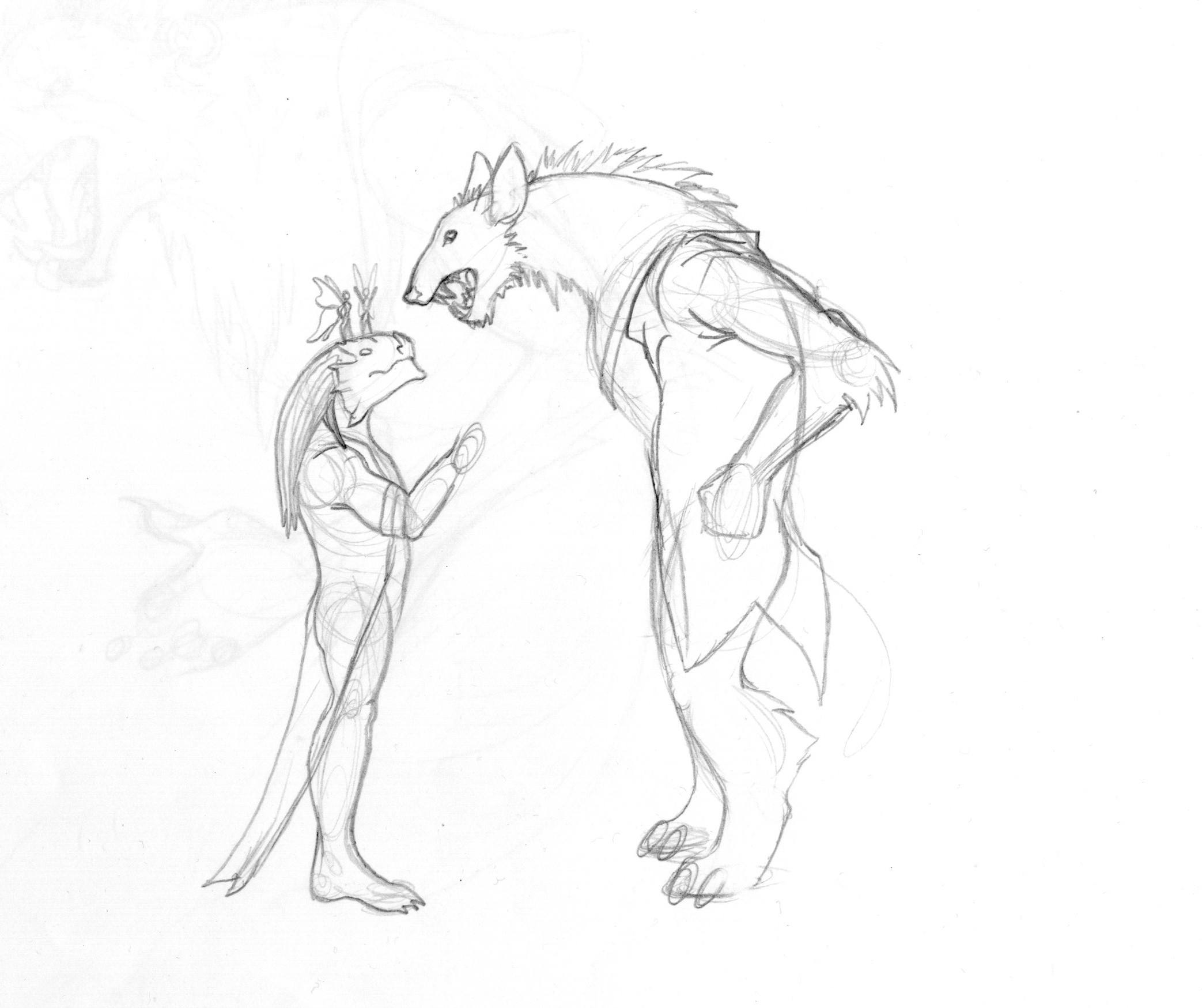


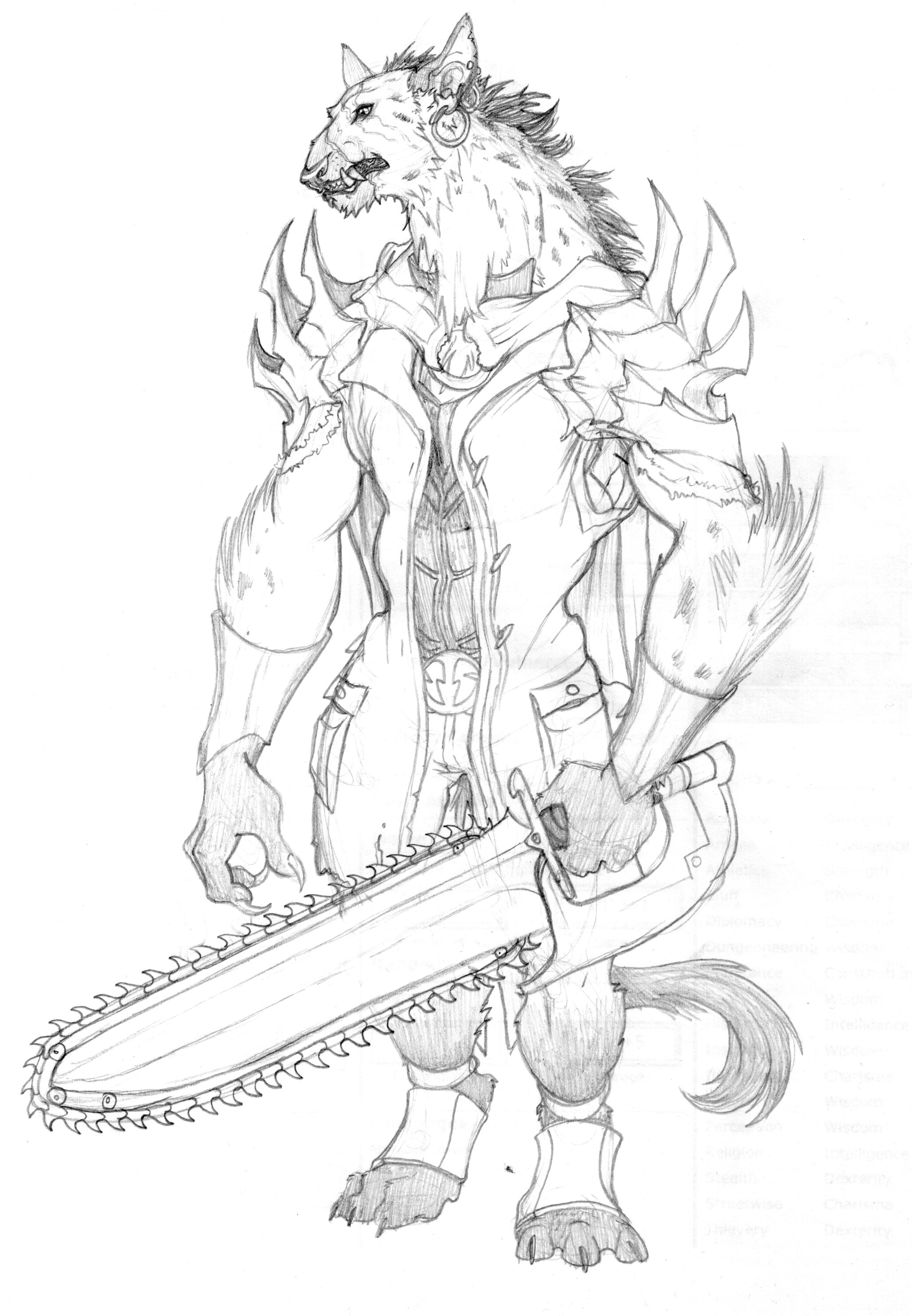
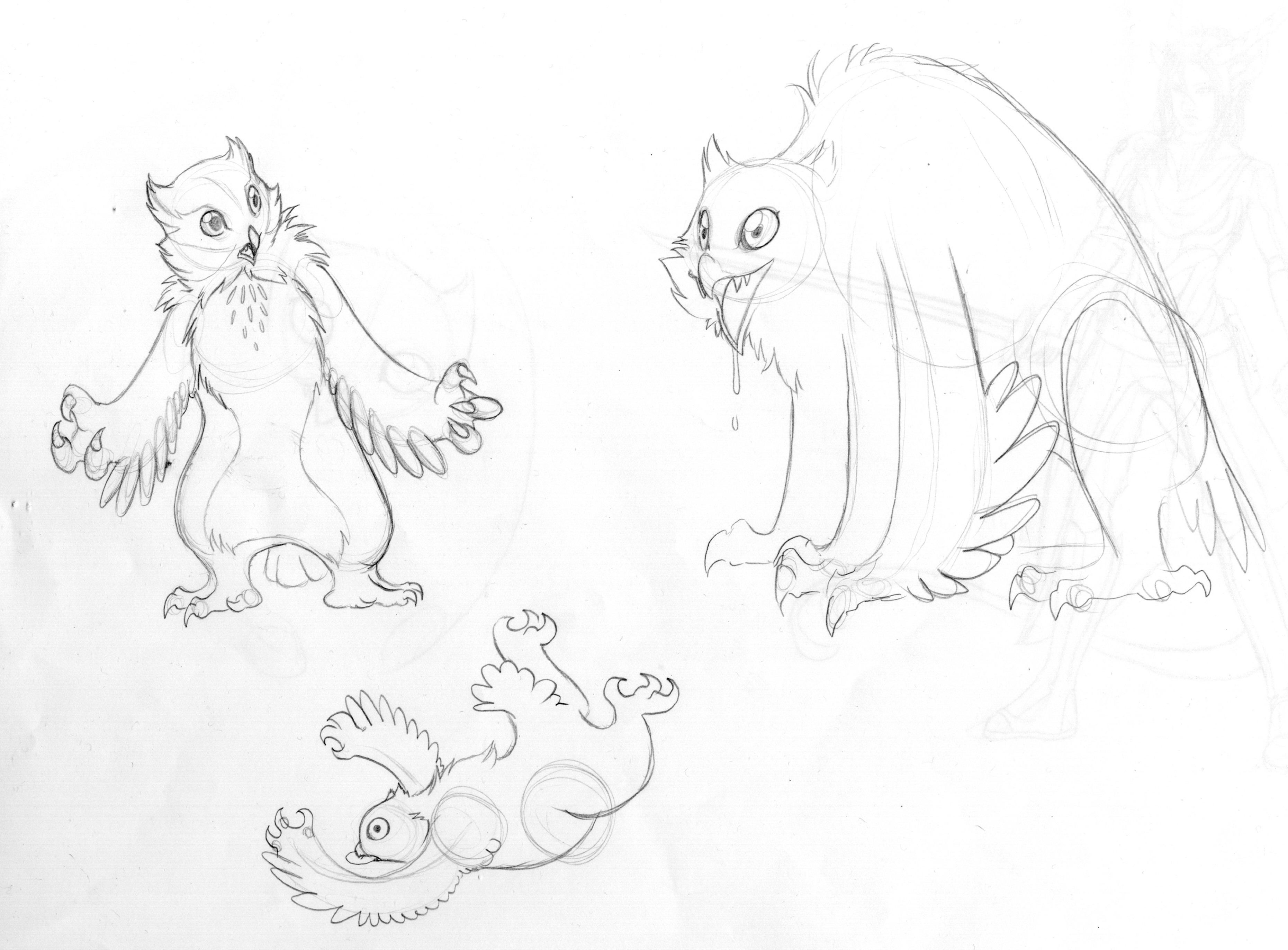
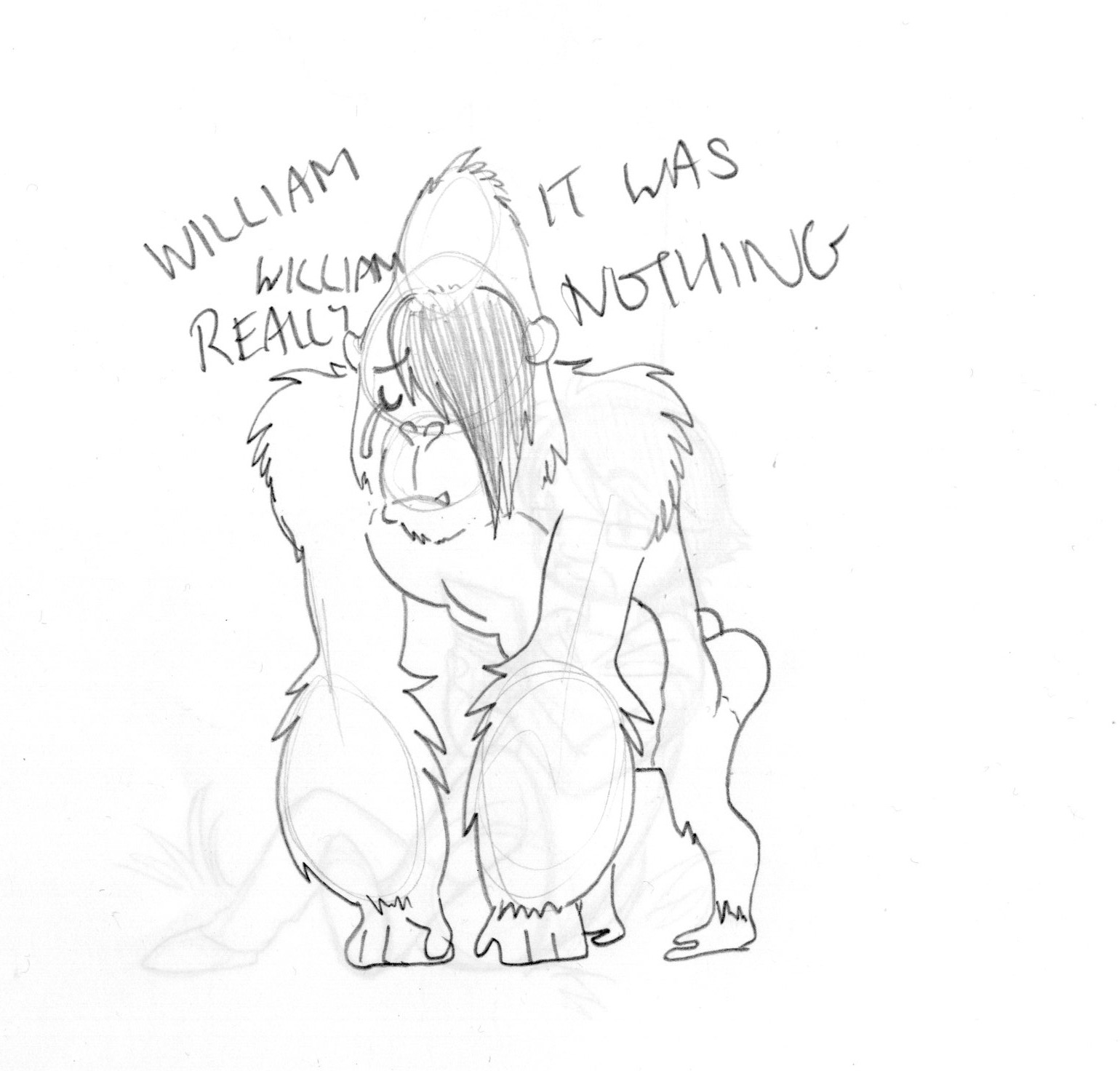
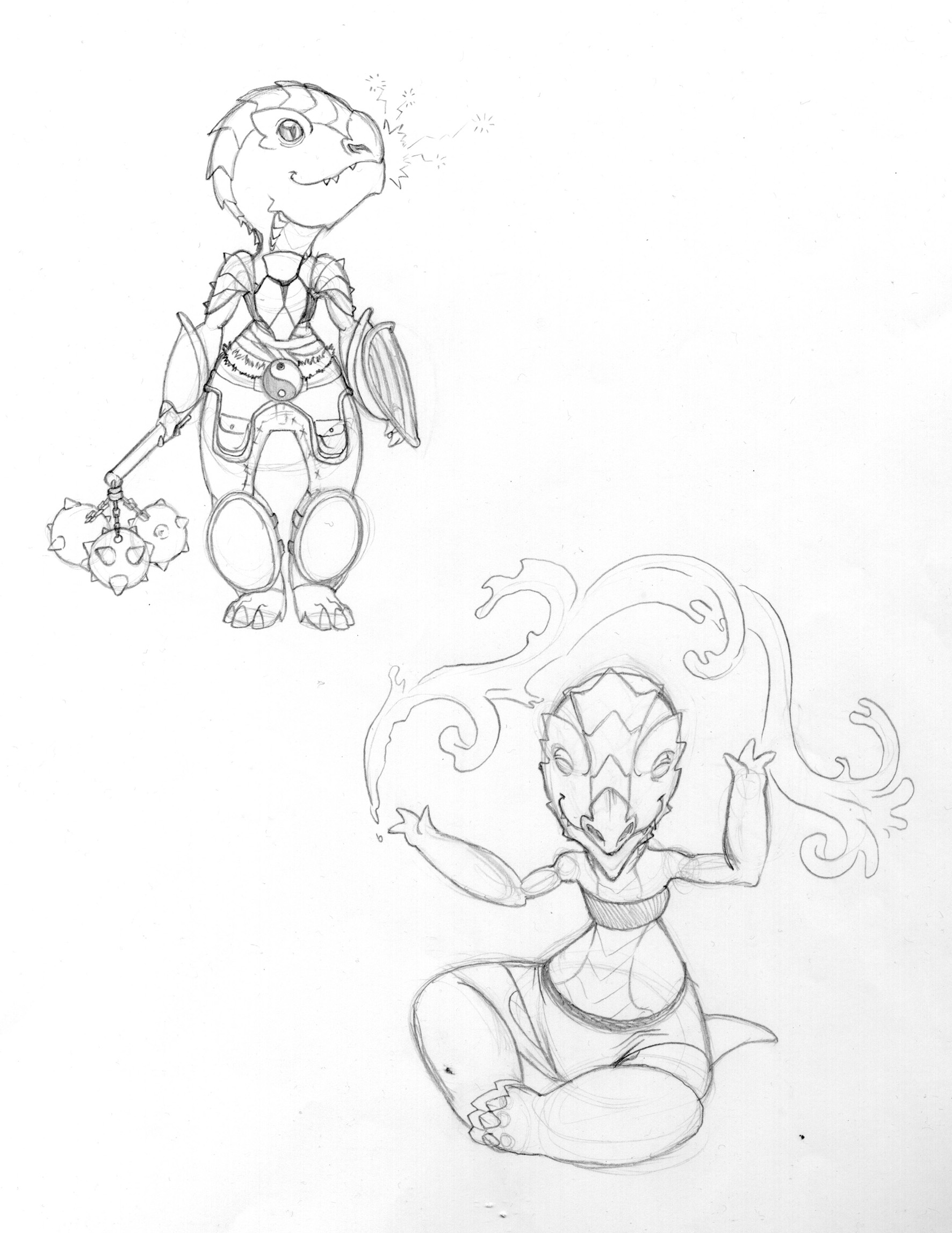
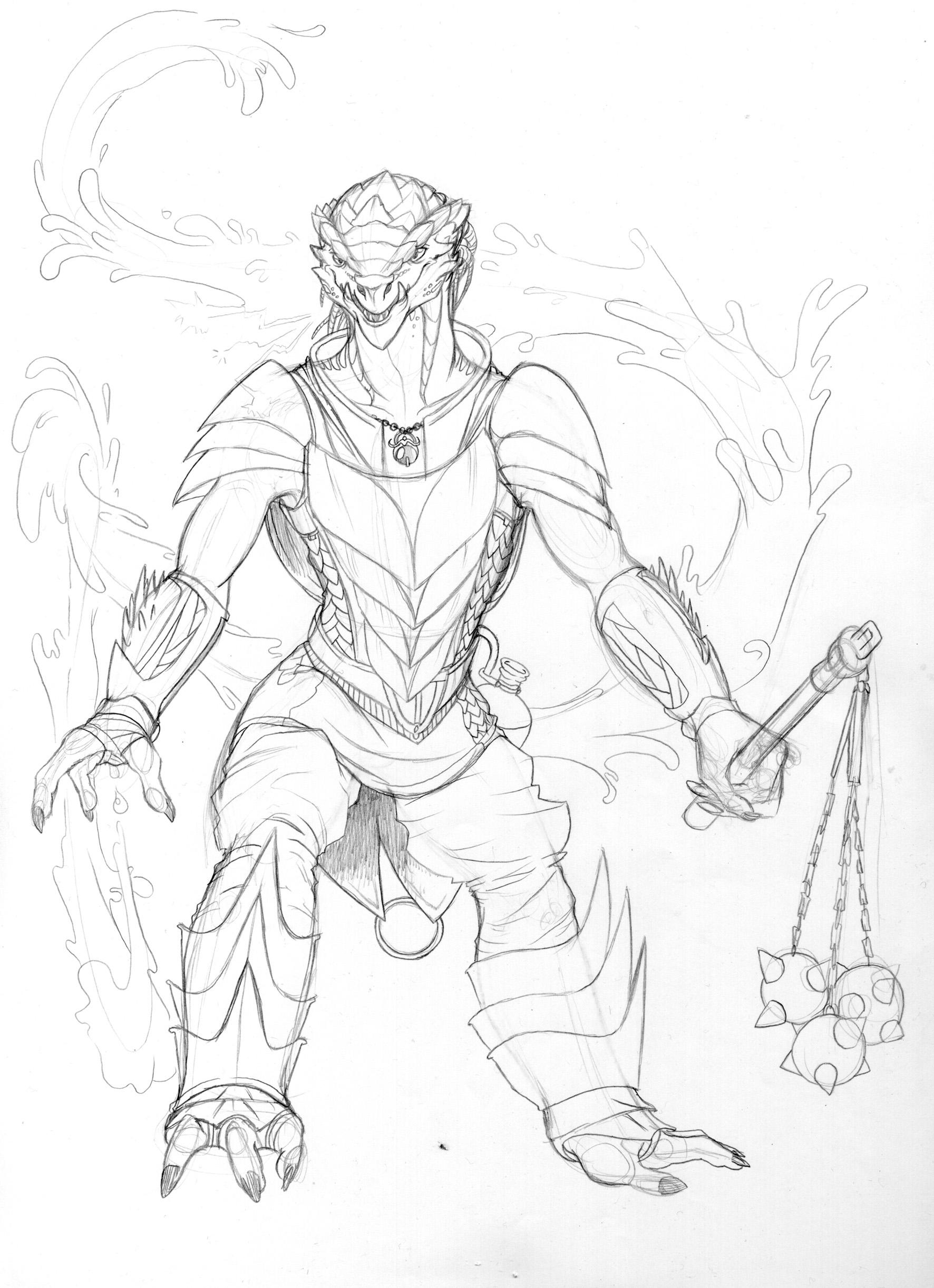
-
Subscribe
Subscribed
Have a WordPress.com account? Log in now.

